
Overview
Sudden hearing loss is a reduction in hearing that develops within hours or a few days. A blockage in the outer ear canal must be distinguished from hearing loss originating in the inner ear. People often notice it in one ear while using the telephone or when waking up in the morning.
If your hearing suddenly decreases, do not wait for a reply to a contact form; seek an ENT assessment or attend an emergency department the same day.
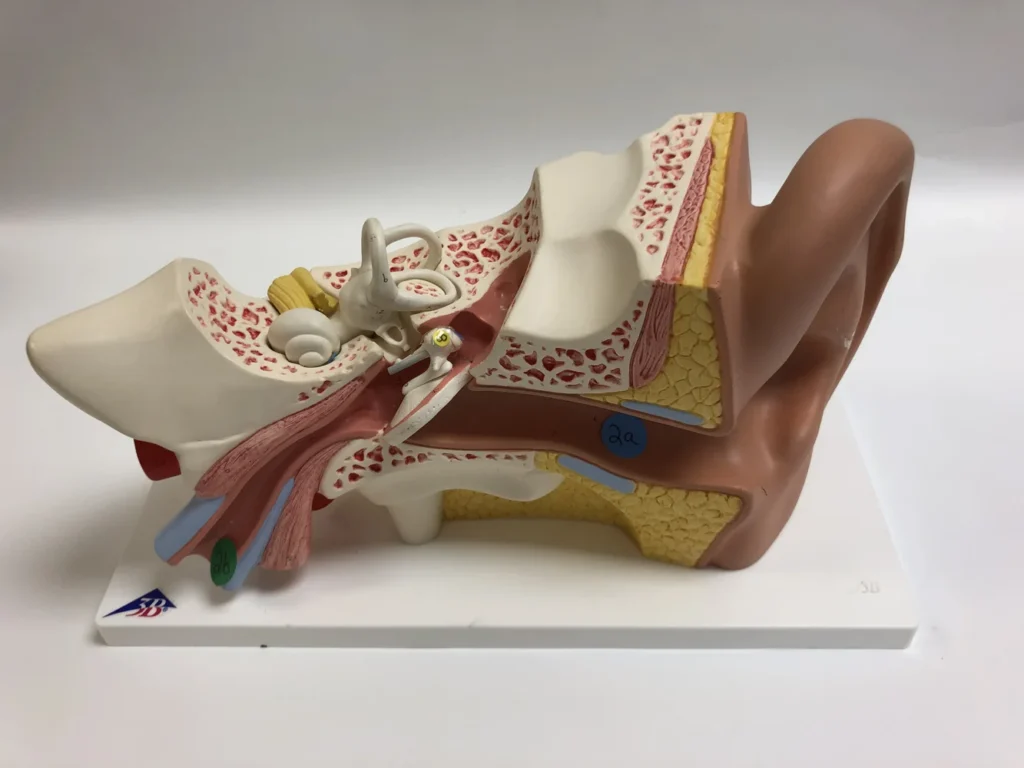
Hearing occurs when sound passes through the ear canal and middle ear and is converted into a nerve signal in the inner ear. Problems at different points in this chain can produce a similar blocked sensation. A feeling of fullness therefore does not show that the problem is simply earwax or a pressure change. With a sudden loss, the priority is to avoid delaying assessment, rather than trying to measure its severity at home. This change can also occur in someone with no previous hearing problems.
When should it be assessed?
Reduced hearing in one ear
Fullness or ringing in the ear
Accompanying dizziness
Some people describe marked deafness, while others report only muffled sounds or a difference between their ears when using the telephone. Ringing and dizziness can occur alongside the hearing loss; their absence does not rule it out. It is useful to note when the symptoms were first noticed and whether there was a preceding infection, injury, loud noise exposure or newly started medication. However, seeking care should not be postponed to gather this information. New neurological symptoms make emergency assistance the priority.
Examination and assessment
The ear is examined first, followed by a hearing test to identify the type of hearing loss. Imaging and additional investigations are requested when appropriate; not every patient needs the same tests.
The examination initially looks for causes in the outer and middle ear that interfere with sound transmission. Audiological assessment shows the sound levels you can hear and how well you distinguish speech. Assessing both ears helps clarify any difference. Depending on the history and test results, additional investigations of the inner ear and hearing nerve may be requested. An imaging request does not necessarily mean that a serious disease has been found; sometimes its purpose is to distinguish different causes of similar symptoms.
Treatment options
For hearing loss originating in the inner ear, the doctor may consider corticosteroid treatment taken by mouth or administered into the ear. The choice depends on the time of onset and the person's health. Do not start medication on your own.
The treatment discussion considers existing conditions and the risks of possible medicines as well as timing. Diabetes, blood pressure problems, previous treatments and regular medicines may affect the choice. Administration into the ear and medication by mouth are different procedures; which is recommended, when and for what purpose should be explained. The possibility of spontaneous improvement does not make waiting without an examination safe. Follow an individual plan rather than using medication that helped someone else or choosing a treatment sequence from the internet.
Recovery and follow-up
The response is monitored with hearing tests. Improvement varies between individuals; if hearing loss persists, options for hearing rehabilitation are discussed.
Follow-up considers repeated hearing measurements, as well as the feeling of hearing better. Reduced ringing and hearing recovery may not progress at the same rate. If improvement is limited, speech understanding, locating sounds and everyday communication needs are reassessed. Discussing hearing support or rehabilitation is an attempt to make better use of remaining hearing in daily life, rather than an admission of treatment failure. The timing of follow-up and the changes that require earlier assessment should be clarified at the first consultation.
When hearing loss affects daily life, the consultation can also include planning ways to maintain communication. Choosing a quieter place for important conversations, seeing the other person's face and asking them to repeat unclear information may help temporarily. These measures do not replace medical assessment; they aim to help people stay connected while waiting for assistance. Describing specific difficulties at work or school during follow-up helps guide further support. New severe pain, discharge or an unusual symptom after treatment should be reported to the team. Rather than stopping prescribed treatment on your own because of concerns about side effects, discuss with the doctor how to make any change safely. In an emergency, do not wait for a reply through the contact form.
Frequently asked questions
Should I wait in case it is only earwax?
No. It is not possible to distinguish the cause of a sudden change at home; seek medical assessment the same day.
How can I prepare for the consultation?
Note when your symptoms began and any previous tests or procedures. Bring a list of your medicines and any earlier investigation results. You can share your expectations and the questions you would like to ask during the consultation.
Do I need follow-up if I feel better after the first test?
Yes; continue the follow-up plan together with your doctor. Everyday perception may differ from measured hearing levels. Keeping a copy of the first test makes comparison with later results easier. If hearing decreases again or another symptom appears, request assessment without waiting for the scheduled date.
What should I ask when comparing treatment options?
Ask about the main aim of the proposed approach, which symptoms it is expected to help and which problems it may not change. Find out whether monitoring or another treatment is an option and what waiting could mean in your situation. If the plan includes a procedure, preparation, follow-up, returning to daily life and whom to contact if something unexpected happens should be clear. Stating your most important expectation at the beginning helps compare options against the same goal. It is reasonable to ask for an unfamiliar medical term to be explained; a decision should rest on the benefits and limitations discussed with you, rather than just the procedure's name.
Scientific source and further reading
English translation of the Turkish information summary · Source language: English · Content date: September 2026. This guide does not replace personal medical advice or an examination.