Overview
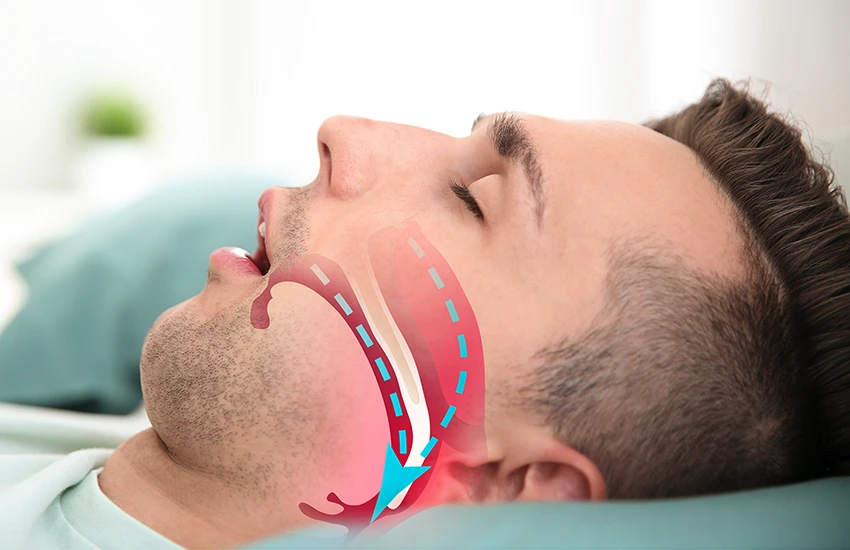
In obstructive sleep apnoea, the airway repeatedly narrows or closes during sleep. Snoring may occur with daytime sleepiness and witnessed breathing pauses. Surgery is not the first option for everyone.
Snoring is a sound symptom; sleep apnoea requires separate assessment of repeated breathing disruption during sleep. Reduced sound alone does not show complete resolution. The surgical consultation begins by identifying the problem and its significance. The aim is to consider breathing during sleep and daytime life together, as well as quieter sleep. Treatment varies with anatomy, tests and accompanying conditions.
When should you seek assessment?
Loud snoring
Witnessed pauses in breathing during sleep
Daytime dozing and morning tiredness
Breathing pauses noticed by someone close, waking choking, unrefreshing sleep and daytime dozing matter in assessment. Describe frequency and daily impact. Do not dismiss dozing while driving or doing hazardous work: stop driving or the dangerous task for safety and seek medical advice. Include devices, medicines, sleep habits and earlier sleep-test reports in the consultation.
Examination and assessment
Sleep testing establishes severity. The nose, palate, tongue base and other airway structures are assessed; sleep endoscopy is used if needed.
Sleep investigation and upper-airway assessment may underpin the surgical decision. The nose, palate, tonsils and other structures are considered together; one narrow area does not explain every person’s whole problem. Describe precisely any difficulty using a prescribed device. Mask discomfort and lack of device benefit are different. Learn whether the procedure targets apnoea, snoring or easier device use.
Treatment options
Positive pressure treatment, weight management and oral appliances in suitable patients are options. Surgery is individualised according to obstruction location and other treatments.
Options may include suitable lifestyle changes, positive airway pressure devices, oral appliances and surgery in selected patients. Not every option suits everyone. Scope varies by target area; one procedure is not promised to cure the condition. Pain, bleeding, swallowing and voice changes are discussed according to the procedure. Stopping a device should not be decided from reduced snoring alone after surgery; follow-up assessment is needed.
Recovery and follow-up
Symptoms and sleep testing when necessary monitor the result. Persistent apnoea and a need for additional treatment are explained.
Recovery and return to daily life depend on the intervention. Follow breathing, pain and dietary instructions; seek emergency help for significant breathing difficulty. Long-term results are assessed through symptoms and repeat sleep investigation when needed. Feeling more refreshed is positive but does not itself justify stopping every treatment. Clarify when devices or other therapies will be reviewed and which team will provide follow-up.
The plan should fit daily life. Include shift work, frequent travel or long-distance driving in assessment. Observations from a partner or someone sharing the sleeping space help but do not replace testing. Share full earlier sleep reports rather than only the conclusion. If surgery is proposed, ask why that region was selected, how other regions were assessed and what options remain if response is inadequate. Discuss follow-up after weight or general health changes. List daytime alertness, improved night breathing and treatment adherence separately and assess all goals rather than snoring alone.
Frequently asked questions
Does reduced snoring mean apnoea has ended?
Not necessarily. Treatment success is not assessed by reduced sound alone.
How can I prepare for the consultation?
Note when your symptoms began and any previous tests or procedures. Bring a list of your medicines and any earlier test results you have. You can share your expectations and questions during the consultation.
Can I stop my device if snoring improves after surgery?
Do not stop it yourself. Reduced snoring does not prove sleep apnoea has disappeared. The treating clinician reassesses device need from symptoms and any necessary sleep investigation. Report difficulties using it and obtain individual instructions on continuing until review.
What questions should I ask when comparing treatment options?
Ask about the main aim of the proposed approach, which symptoms it is expected to help and which problems it may not change. Find out whether monitoring or a different treatment is an option, and what the possible consequences of waiting are in your situation. If the plan includes a procedure, the preparation, follow-up, return to daily life and service to contact if something unexpected happens should be clear. Stating your most important expectation at the start of the consultation makes it easier to compare options against the same goal. It is natural to ask for an unfamiliar medical term to be explained; the decision should be based on the benefits and limitations described to you, as well as the name of the procedure.
Scientific source and further reading
English translation of the Turkish information summary · Source language: English · Content date: September 2026. This guide does not replace personal medical advice or an examination.