Overview
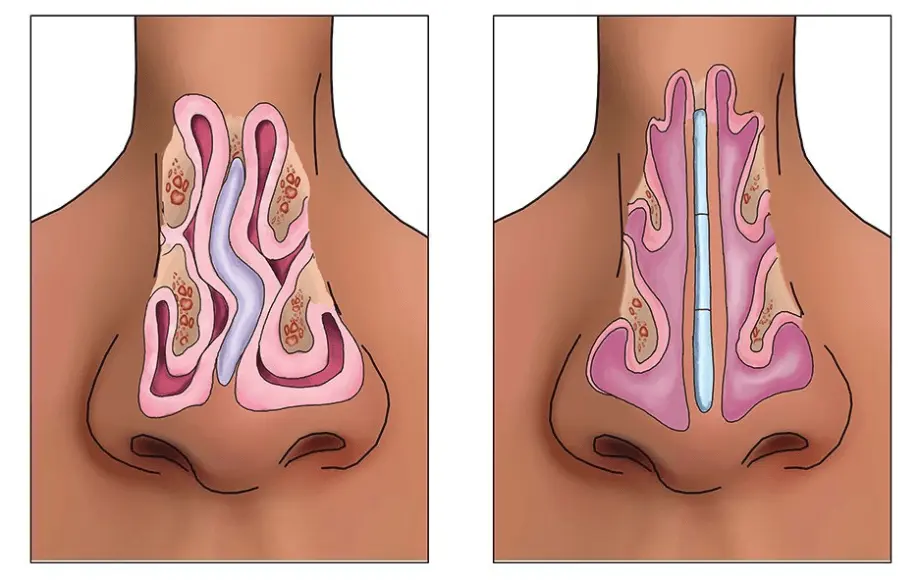
Endoscopic sinus surgery uses a camera to access the passages connecting the sinuses and nose. It is considered in chronic rhinosinusitis and some conditions involving polyps. Treatment decisions require symptoms and objective examination findings to be considered together.
The endoscopic approach uses viewing instruments passed through the nostrils to assess the sinuses and perform the necessary intervention. It does not describe one standard operation: the area treated varies with disease extent and individual anatomy. In suitable patients, the aim is to address problems in the sinus pathways and make subsequent treatment easier to apply. Understanding which sinuses are affected and how the proposed operation relates to your symptoms is a more important starting point than technical names.
When should you seek assessment?
Persistent blockage
Reduced sense of smell
Discharge or pressure persisting despite treatment
Persistent blockage, discharge, reduced smell and facial pressure may be assessed; headache alone is insufficient for a surgical decision. Explain symptom duration, whether symptoms clear completely between episodes and what changed after treatments. Mention asthma, allergy or earlier sinus operations. Identifying the symptom with the greatest daily impact helps discuss expected benefit against a concrete goal.
Examination and assessment
Endoscopy and sinus CT when necessary establish the location of disease. Allergy, asthma and previous treatments are part of the plan.
Examination, endoscopy and CT when indicated are interpreted together. An imaging change alone is insufficient; correspondence with symptoms and treatment history is sought. Bring earlier images themselves if possible, as well as reports. Noting medicines, how they were used and benefits obtained makes assessment easier. Ask which finding justifies surgery, the scope of intervention and the role of more limited or non-surgical options in your situation.
Treatment options
Surgery may be considered when appropriate medical treatment does not provide adequate control. Healthy mucosa and neighbouring structures are protected while affected areas are accessed.
Endoscopic surgery addressing affected areas is planned alongside medical treatment in suitable people. Not every nasal tissue or sinus needs the same intervention. Consent includes bleeding, adhesions, persistent symptoms and more serious risks arising from the sinuses’ proximity to the eyes and skull base. A technology or device does not eliminate all risks. It is helpful to discuss beforehand which treatments may continue after surgery and how recurrence would be managed.
Recovery and follow-up
Rinsing, endoscopic follow-up and medicine when needed continue. Rare risks such as bleeding and injury around the eye or to the skull base are explained.
Recovery extends beyond the day of surgery; internal nasal care and endoscopic checks continue treatment. Early fullness or crusting alone does not show the long-term result. Follow the cleaning and medicine plan recommended for you, rather than another patient’s instructions. At follow-up, describe changes in breathing, discharge and smell separately. Visual changes, marked swelling around the eye, persistent bleeding or an unusually severe headache require emergency assessment.
Create a follow-up plan around daily life before surgery. If travelling from another city, the arrangements for early checks and the institution to contact for unexpected symptoms should be clear. Tell the team about strenuous work, dust, smoke or travel. Disclose all medicines and supplements; do not independently decide to start or stop them. When assessing results, avoid focusing only on one photograph or words in a CT report. The initial symptoms, examination findings and care needs are considered together. If the expected relief is not achieved, discuss the cause again rather than assuming another operation is immediately necessary. If follow-up with other specialties is recommended for allergy or another accompanying problem, learn how it will be coordinated with the surgical plan.
Frequently asked questions
Does the need for medicine end after surgery?
Not always. In chronic inflammatory disease, surgery is one part of long-term treatment.
How can I prepare for the consultation?
Note when your symptoms began and any previous tests or procedures. Bring a list of your medicines and any earlier test results you have. You can share your expectations and questions during the consultation.
Will I stop all medicines after surgery?
Not always. Surgery may be one stage in managing longstanding sinus disease; nasal treatments and checks can continue. Ask which treatment continues for which purpose, when it will be reassessed and about alternatives if you find an application difficult. Feeling well does not mean you should stop all recommendations yourself.
What questions should I ask when comparing treatment options?
Ask about the main aim of the proposed approach, which symptoms it is expected to help and which problems it may not change. Find out whether monitoring or a different treatment is an option, and what the possible consequences of waiting are in your situation. If the plan includes a procedure, the preparation, follow-up, return to daily life and service to contact if something unexpected happens should be clear. Stating your most important expectation at the start of the consultation makes it easier to compare options against the same goal. It is natural to ask for an unfamiliar medical term to be explained; the decision should be based on the benefits and limitations described to you, as well as the name of the procedure.
Scientific source and further reading
English translation of the Turkish information summary · Source language: English · Content date: September 2026. This guide does not replace personal medical advice or an examination.