Overview
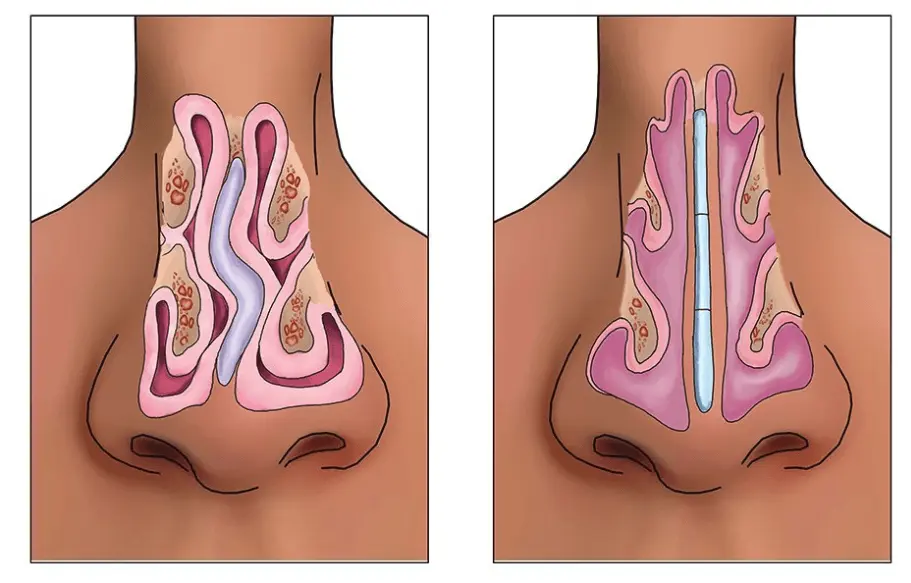
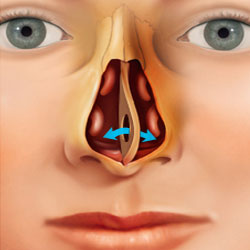
A septal perforation is a hole in the partition separating the two sides of the nose. It may be associated with previous surgery, trauma, irritation or certain diseases. Not every perforation needs surgery.
A septal perforation is an opening in the partition between the right and left sides of the nose. Its position, size and the health of surrounding tissue matter for symptoms and treatment options. Perforations do not cause the same degree of discomfort in everyone, and repair is not needed for every person. The first consultation focuses on understanding why it developed and which symptom troubles you most in everyday life as well as on closing the hole. This defines the treatment goal more clearly from the outset.
When should you seek assessment?
Crusting and dryness
Recurrent bleeding
Whistling when breathing
Crusting, recurrent bleeding, dryness or a whistling sound during breathing may occur. Some people feel blocked despite the opening. Fully describe symptom onset, operations or injuries and products used inside the nose. A product used by someone with similar symptoms may not suit you. Brief notes on when bleeding occurs, whether care provides relief and the daily impact help assess changes at follow-up.
Examination and assessment
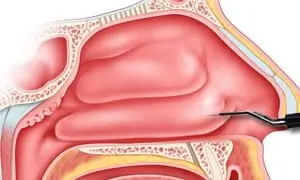
Endoscopic examination assesses the opening and surrounding tissue. Unexplained cases may require additional laboratory tests or a biopsy.
The internal examination assesses the edges of the opening and surrounding tissues. If the cause is unclear, the clinician may request further tests or another specialist’s assessment; everyone does not need the same investigation. Earlier surgical documents and product names are helpful. Ask how the size affects repair planning, whether tissue condition needs improvement first and what benefit is expected. Evaluating an underlying condition provides a broader approach than focusing only on the opening.
Treatment options
Options include moisturising and nasal care, a septal button or surgical repair. Local tissue flaps and grafts may be used in surgery; larger openings can be more complex.
Moisturising and care to reduce symptoms, an occluding device called a septal button in suitable people, or surgical repair may be discussed. The surgical technique depends on tissue condition; lasting closure cannot be guaranteed. Persistent or recurrent opening, bleeding, crusting and discomfort at a tissue donor site are discussed. Stating whether your priority is reducing bleeding, managing dryness or anatomical repair helps compare options meaningfully.
Recovery and follow-up
Tissue healing requires regular care and protection from irritation. The possibilities of incomplete closure or a recurrent opening are discussed.
Protecting internal nasal tissues after repair matters. If supports are used, their removal, care and follow-up are determined by the individual plan. Picking crusts or checking the opening with a finger are not reliable ways to assess healing. Describe changes in sound, bleeding, dryness and airflow separately. Do not wait for routine follow-up for unexpected bleeding or significant deterioration; use the surgical team’s recommended route for seeking care.
Do not rely on a single outcome measure when deciding about this problem. Everyday comfort and care needs matter alongside anatomical closure; ask how these will be monitored. If an earlier repair failed, share the reports and discuss what conditions could differ with another intervention. If tissue harvesting is planned, learn about care of that site too. Disclosing all prescription and non-prescription nasal products helps create a safe plan. Do not change medicines based on internet advice. If travelling from another city, clarify where you will stay for early checks and whom to contact about problems after returning home. Assess success through symptoms and examination findings as well as photographs.
Frequently asked questions
Must the hole always be closed?
Stable openings without symptoms can be monitored. The decision depends on symptoms, cause and feasibility of repair.
How can I prepare for the consultation?
Note when your symptoms began and any previous tests or procedures. Bring a list of your medicines and any earlier test results you have. You can share your expectations and questions during the consultation.
Can symptoms be reduced without surgery?
Some people can manage symptoms through adjusted care or a suitable occluding device. Suitability depends on the opening’s characteristics and tissue condition. Ask what the non-surgical option targets, how often checks are needed and how to proceed if benefit is insufficient. The decision is not based on the presence of a hole alone.
What questions should I ask when comparing treatment options?
Ask about the main aim of the proposed approach, which symptoms it is expected to help and which problems it may not change. Find out whether monitoring or a different treatment is an option, and what the possible consequences of waiting are in your situation. If the plan includes a procedure, the preparation, follow-up, return to daily life and service to contact if something unexpected happens should be clear. Stating your most important expectation at the start of the consultation makes it easier to compare options against the same goal. It is natural to ask for an unfamiliar medical term to be explained; the decision should be based on the benefits and limitations described to you, as well as the name of the procedure.
Scientific source and further reading
English translation of the Turkish information summary · Source language: English · Content date: September 2026. This guide does not replace personal medical advice or an examination.