
Overview
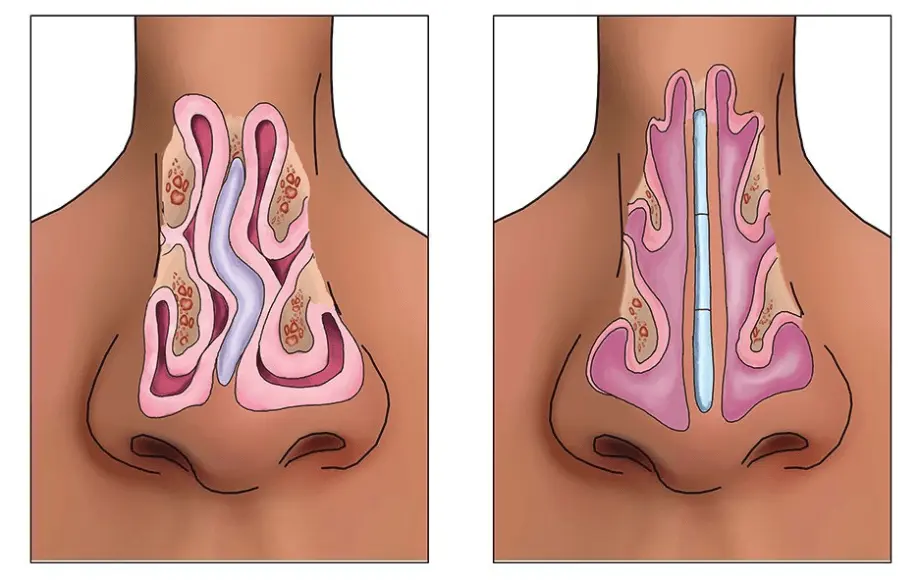
Sinusitis may occur as a short-term infection or a long-term inflammatory condition. Not every facial pain is sinusitis. Surgery is mainly considered in selected chronic cases that persist despite appropriate treatment.
Sinusitis surgery is not a common answer to every nasal blockage or facial pain. A short-lived infection requires a different approach from persistent or recurrent sinus disease. It is important to understand when surgery becomes an option: symptoms, examination and imaging when needed should support one another. Describing your most troublesome symptom and response to earlier treatments helps base surgical expectations on an actual problem.
When should you seek assessment?
Persistent nasal blockage
Thick discharge and reduced smell
A feeling of facial pressure
The duration of symptoms such as blockage, thick discharge, reduced smell or facial fullness is recorded. Say whether you are completely well between episodes. If headache is your only symptom, other causes may also be investigated; do not assume it is nasal in origin. Provide information about dental problems, seasonal changes and medicines used during the same period. Brief calendar notes help distinguish a continuous condition from separate episodes and discuss treatment response.
Examination and assessment
Symptom duration and treatment history are reviewed. Endoscopy and CT are used when needed; migraine and dental causes are also considered.
The ENT examination assesses the nose and sinus region, with endoscopy and CT planned when needed. How long and how correctly previous treatments were used matters alongside their names. Bring earlier reports and any operation notes. Ask which findings support sinus disease and which need another explanation. This allows a clearer discussion of which symptoms surgery is expected to help and which it may not change.
Treatment options
Surgery usually aims to improve sinus ventilation and drainage through an endoscopic approach. Its extent varies according to the sinuses involved.
Intervention may be considered for people with ongoing problems despite appropriate medicines or a particular surgical indication. Endoscopic treatment of the relevant sinus pathways may be planned; the extent differs between people. Surgery is not a promise to prevent all future infections or relieve every headache. Discuss bleeding, adhesions, persistent symptoms and risks to neighbouring structures. Decide by weighing expected benefit and personal risks together, as well as how troublesome the episodes are.
Recovery and follow-up
Postoperative cleaning and follow-up are important. Disease may recur; monitoring of accompanying conditions such as allergy and asthma continues.
Follow-up assesses internal nasal healing, symptoms and continuing treatment. Do not try different cleaning methods yourself because of early crusting or blockage. Follow appointments and the care plan provided. Describe the physical conditions of your work when planning return to daily life; another patient’s timetable is not your benchmark. Obtain prompt medical assessment for visual changes, significant bleeding, increasing swelling around the eyes or a serious decline in general condition after surgery.
People who have struggled with sinus disease for a long time may view the next procedure as a definitive solution. State expectations clearly, but also ask which symptoms may persist for other reasons. Disclose difficulty using any spray, care measure or medicine; a workable follow-up plan is part of treatment. When symptoms recur, find out whether reassessment is needed instead of automatically using the previous prescription. A short checklist can cover breathing, discharge, smell, sleep and everyday comfort. Compare changes in each over the same period. This helps explain which goal was met instead of simply saying you feel better or worse. If the process is prolonged, review additional assessment and follow-up options with the clinician.
Frequently asked questions
Are antibiotics always needed for sinusitis?
No. Viral infection, allergy and chronic inflammation require different approaches; examination determines treatment.
How can I prepare for the consultation?
Note when your symptoms began and any previous tests or procedures. Bring a list of your medicines and any earlier test results you have. You can share your expectations and questions during the consultation.
Does sinusitis surgery improve every headache?
No. Headache has different causes, and sinus surgery does not target all of them. The relationship between headache and nasal findings needs assessment. Describe the location and duration of pain, accompanying symptoms and previous assessments. Referral to another specialty when needed is part of an appropriate treatment plan.
What questions should I ask when comparing treatment options?
Ask about the main aim of the proposed approach, which symptoms it is expected to help and which problems it may not change. Find out whether monitoring or a different treatment is an option, and what the possible consequences of waiting are in your situation. If the plan includes a procedure, the preparation, follow-up, return to daily life and service to contact if something unexpected happens should be clear. Stating your most important expectation at the start of the consultation makes it easier to compare options against the same goal. It is natural to ask for an unfamiliar medical term to be explained; the decision should be based on the benefits and limitations described to you, as well as the name of the procedure.
Scientific source and further reading
English translation of the Turkish information summary · Source language: English · Content date: September 2026. This guide does not replace personal medical advice or an examination.