Overview
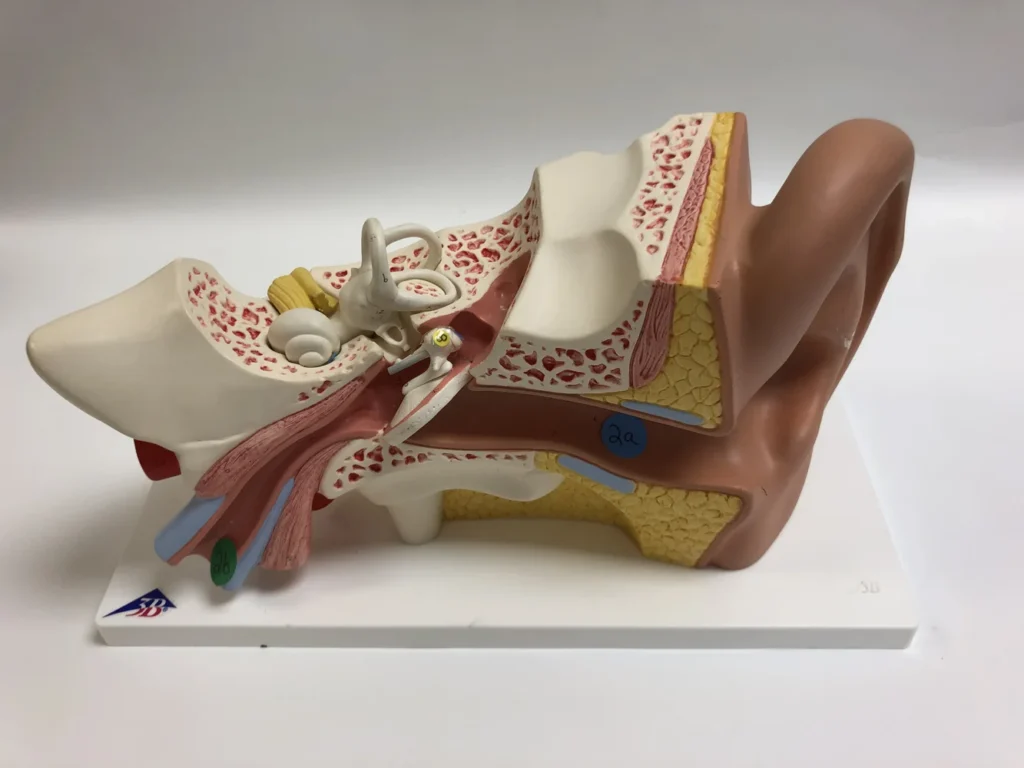
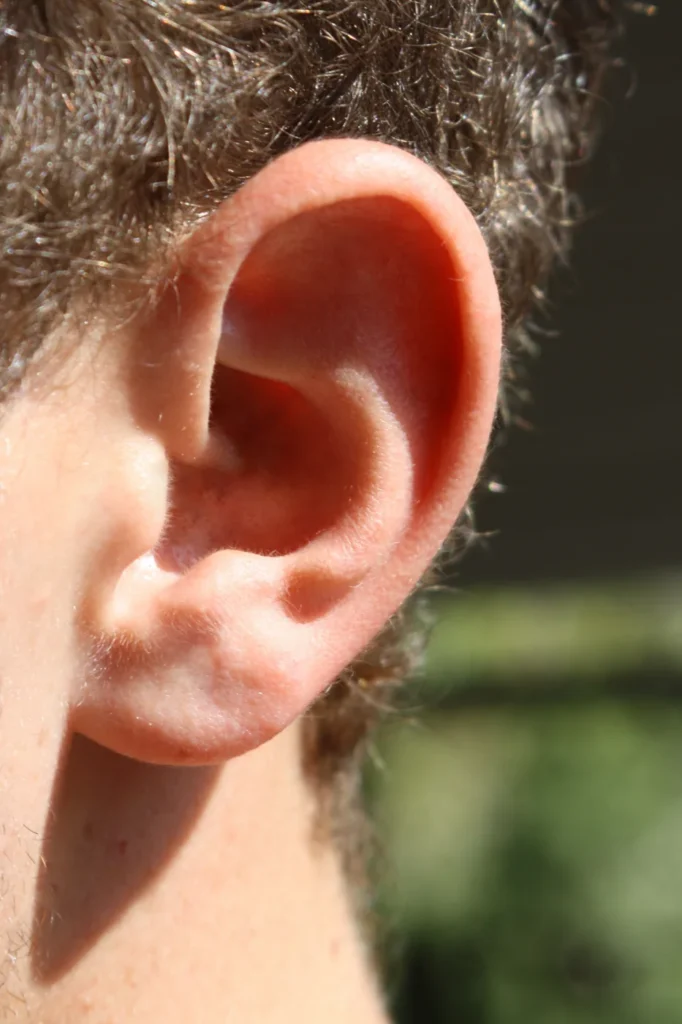
An outer ear infection develops in the skin of the ear canal. Frequent water exposure and small injuries caused by objects such as cotton buds can disrupt its protective layer. It is treated differently from a middle ear infection.
The skin of the ear canal forms a protective surface against moisture and external factors. Irritation of that surface can make infection more likely. Swimming, scratching the canal, inappropriate cleaning and skin sensitivity are important elements of the history. An outer ear infection and a middle ear infection behind the eardrum are different conditions. Pain that increases when the outer ear is moved may particularly suggest involvement of the ear canal; examination is still needed to distinguish the cause.
When should you seek assessment?
Pain that increases when the outer ear is touched
Itching and discharge
Blockage caused by swelling of the canal
Symptoms that begin with itching, fullness and mild tenderness can develop into pain and discharge over time. Swelling of the canal can reduce sound transmission, making the ear feel blocked. The colour or smell of discharge alone does not determine which medicine should be chosen. People who have had ear surgery, have a perforated eardrum or have diabetes should specifically share this information when seeking care. Pain that is more severe than expected or spreads to surrounding tissues requires earlier assessment.
Examination and assessment
The ear canal and eardrum are examined together. Clearing discharge can make examination easier and help drops reach the affected area. It is important to know about diabetes and immune status.
The examination assesses how narrow the canal has become, whether the eardrum can be seen and whether the condition has spread to the surrounding skin. Debris may be removed under controlled conditions; attempting the same procedure at home can injure the skin further. Skin problems other than infection and different causes are also considered in recurrent cases or those that do not respond to treatment. An early follow-up after the first examination may be requested to reassess whether drops can reach the area or whether the canal can be visualised.
Treatment options
Treatment usually involves suitable ear drops and care of the canal. A perforated eardrum changes which drops can be used. Additional treatment may be required for extensive or severe infection.
Applying ear drops correctly is as important as selecting the right product. Not every product can be used safely without knowing the condition of the eardrum. If the canal is very swollen, the clinician may recommend an additional measure to help medicine reach the affected area. Treatment duration and method of use should follow the prescription. Follow-up advice should be followed instead of changing treatment independently when pain improves, mixing drops or starting an old antibiotic. Oral antibiotics should not be assumed necessary in every case.
Recovery and follow-up
Keeping the ear dry and avoiding inserting objects into the canal are recommended during treatment. Increasing pain, fever or swelling spreading to the surrounding area requires reassessment.
Avoiding scratching the canal and following the recommended water precautions support skin recovery. If hearing aids or in-ear headphones are used, their use and cleaning can be discussed separately. New fever, increasing pain, spreading redness or ongoing discharge are reasons for reassessment. In frequently recurrent cases, the long-term plan includes reviewing irritating habits and accompanying skin problems as well as treating the infection.
Severe and persistent pain is assessed particularly carefully in people with diabetes or an immune-related condition. This does not mean that every outer ear infection will become severe; it means that individual risks need to be included in the treatment plan. At follow-up, it is important to state the name of the drops used and any difficulties with applying them. If the drops seem not to reach inside the ear, ask for the application method to be explained again instead of increasing the amount yourself. Squeezing swelling around the ear, trying to open the canal with a cotton bud or using different cleaning products in succession can increase irritation. The pattern of recurrence also matters: note whether symptoms begin after every contact with water, when using a particular device or spontaneously. These observations help personalise the subsequent prevention plan.
Frequently asked questions
Can I use any ear drops at home?
Drops should not be selected without knowing the condition of the eardrum. Seek medical advice first, particularly if you have had surgery or have a perforated eardrum.
How can I prepare for the consultation?
Note when your symptoms began and any previous tests or procedures. Bring a list of your medicines and any earlier test results you have. You can share your expectations and questions during the consultation.
When can I return to swimming?
The timing depends on healing of the canal, the discharge and the treatment being used. A fixed number of days is not suitable for everyone. At follow-up, you can receive individual advice on water exposure and any protective measures needed. Products that create pressure or irritation inside the ear should not be chosen independently.
What questions should I ask when comparing treatment options?
Ask about the main aim of the proposed approach, which symptoms it is expected to help and which problems it may not change. Find out whether monitoring or a different treatment is an option, and what the possible consequences of waiting are in your situation. If the plan includes a procedure, the preparation, follow-up, return to daily life and service to contact if something unexpected happens should be clear. Stating your most important expectation at the start of the consultation makes it easier to compare options against the same goal. It is natural to ask for an unfamiliar medical term to be explained; the decision should be based on the benefits and limitations described to you, as well as the name of the procedure.
Scientific source and further reading
English translation of the Turkish information summary · Source language: English · Content date: September 2026. This guide does not replace personal medical advice or an examination.