
Overview
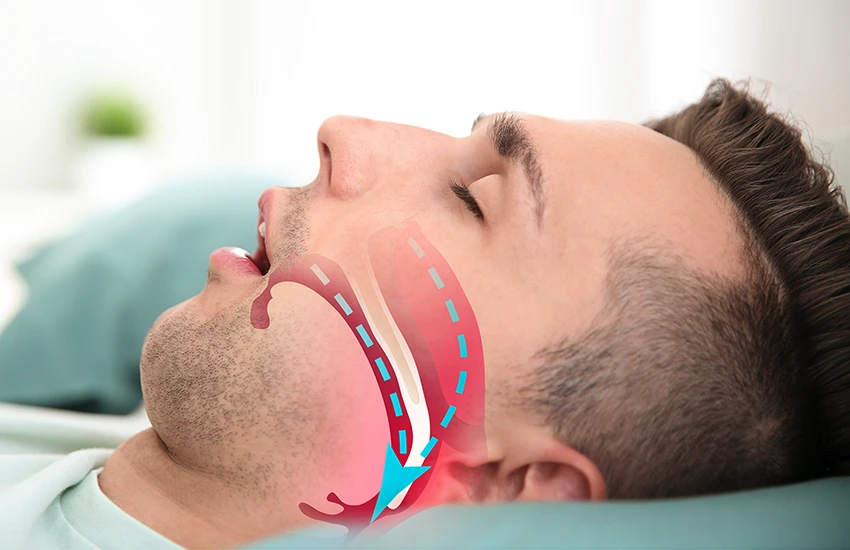
The tonsils sit on either side of the throat and the adenoids behind the nose. Size alone does not determine surgery; infection frequency and effects on sleep and breathing are considered together.
The tonsils are on either side of the throat and the adenoids behind the nose. Their appearing large does not alone justify surgery; infection history and effects on breathing and sleep are assessed together. One person may be advised to have treatment of the tonsils alone, another of the adenoids or both. The first consultation aims to explain which tissue contributes to which problem and relate the proposed procedure to everyday symptoms. Age and accompanying illnesses influence the plan.
When should you seek assessment?
Recurrent throat infections
Snoring or pauses in breathing during sleep
Mouth breathing
Recurrent throat infections, difficulty swallowing, mouth breathing or noisy breathing during sleep can prompt assessment. Share infection dates and previous examination records; not every sore throat is the same condition. Specifically mention any pauses in breathing noticed during sleep. Describe concrete effects on absence from school or work, eating and daytime energy. A photograph of the tonsils alone does not replace this history and examination.
Examination and assessment
Infection records, sleep history and examination are assessed. Endoscopy or a sleep investigation may be performed when needed.
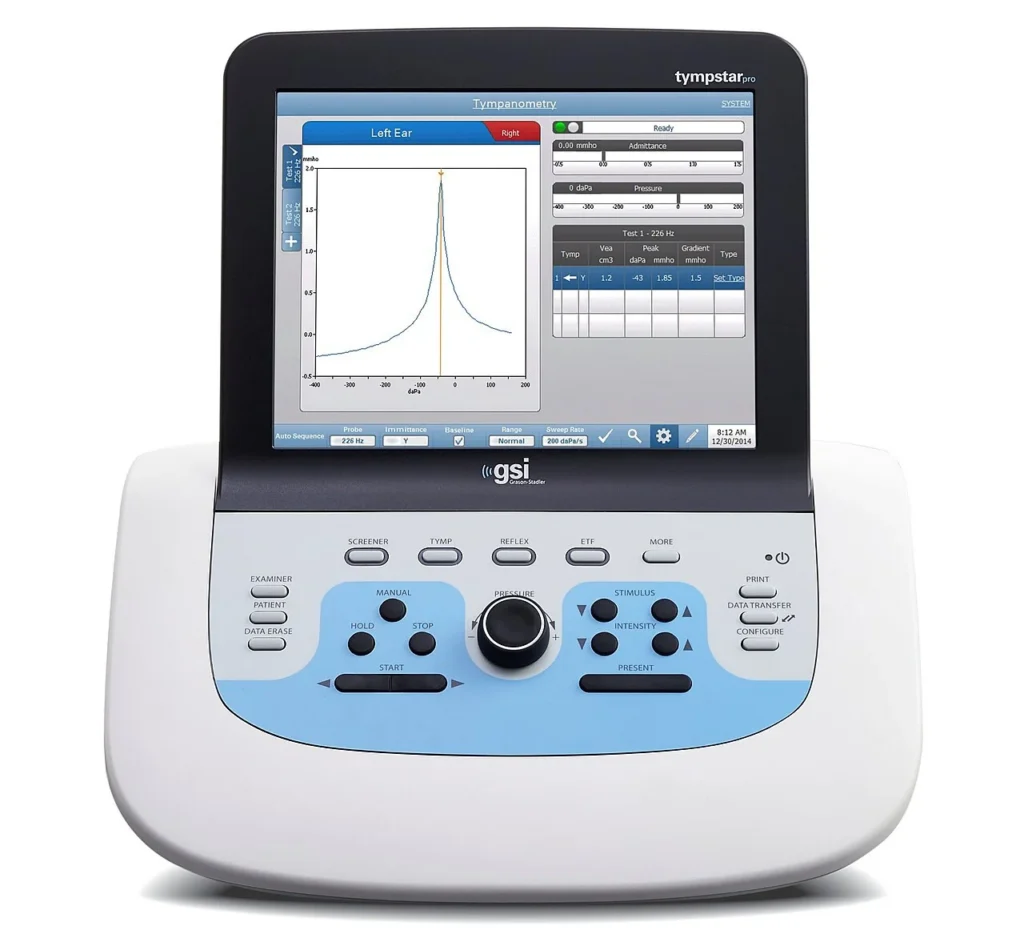
The ENT examination considers the throat, nose and other relevant structures together. Additional imaging or endoscopic assessment may be requested for the adenoids, and suitable investigations for sleep problems. Everyone does not receive the same test package. Report previous anaesthetic problems, a tendency to bleed and regular medicines. Ask about the main indication for surgery, the role of monitoring and the reasons for recommending one or combined procedures. This makes the scope more specific than a general heading.
Treatment options
Options include tonsillectomy, partial reduction in suitable cases and adenoidectomy. Age, symptoms and bleeding risk influence the method.
Surgery is chosen in suitable circumstances where expected benefits outweigh risks. Removal or procedures of different extent in suitable patients may be discussed; technique selection rests on individual findings. Consent should explain bleeding, pain, difficulty drinking and anaesthetic risks. The procedure is not a promise to eliminate all future throat infections. Before deciding, clarify support needed at home during recovery, follow-up and the service to contact about unexpected symptoms.
Recovery and follow-up
Pain control, adequate fluids and nutrition matter. Fresh bleeding from the throat after surgery requires emergency assessment.
Follow individual postoperative instructions for eating, drinking and pain control. Swallowing comfort may vary from day to day; report unexpected or unmanageable pain to the team. Do not wait for routine follow-up if there is bleeding, difficulty breathing or substantial inability to drink. Base return to work, school and strenuous activity on the surgical team’s plan. Someone else’s faster recovery does not make your symptoms unimportant or mean you should push yourself sooner.
During preparation, plan who will help in the following days as well as the day of surgery. All carers of a child need the same understanding of medicine and feeding instructions; adults should also discuss being alone or needing to return to work early. Do not independently stop medicines or follow another prescription. Obtain written guidance on expected healing appearances and findings that require medical contact. Do not assess the wound using throat photographs found online. Follow the surgical team’s emergency instructions for bleeding even if the amount seems small. At follow-up, revisit the initial problems and explain changes in infection, sleep, breathing or eating. This compares long-term benefit with individual goals.
Frequently asked questions
Are the tonsils and adenoids always removed together?
No. The need for surgery is assessed separately for each tissue.
How can I prepare for the consultation?
Note when your symptoms began and any previous tests or procedures. Bring a list of your medicines and any earlier test results you have. You can share your expectations and questions during the consultation.
Must adenoids and tonsils be removed together?
No. Each tissue’s contribution to symptoms and surgical indication is assessed separately. Combined treatment may suit some people, while treating only one may be sufficient for others. Ask which problem each procedure targets, what could change if it is not performed and which symptoms will be monitored. The decision is not based on tissues looking large alone.
What questions should I ask when comparing treatment options?
Ask about the main aim of the proposed approach, which symptoms it is expected to help and which problems it may not change. Find out whether monitoring or a different treatment is an option, and what the possible consequences of waiting are in your situation. If the plan includes a procedure, the preparation, follow-up, return to daily life and service to contact if something unexpected happens should be clear. Stating your most important expectation at the start of the consultation makes it easier to compare options against the same goal. It is natural to ask for an unfamiliar medical term to be explained; the decision should be based on the benefits and limitations described to you, as well as the name of the procedure.
Scientific source and further reading
English translation of the Turkish information summary · Source language: English · Content date: September 2026. This guide does not replace personal medical advice or an examination.