Overview
Otoplasty commonly addresses prominent ears. Different anatomical causes may include an underdeveloped antihelical fold or a deep concha. Planning is based on the relationship between these structures.
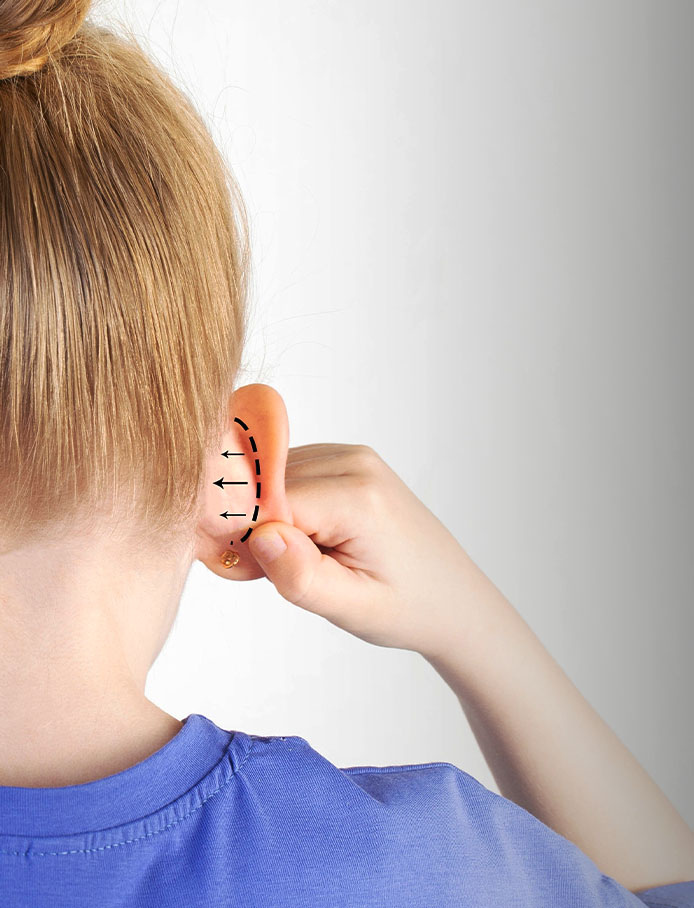
Otoplasty is the surgical term for adjusting outer ear shape or its relationship to the head. This page focuses on the operation plan and follow-up. Ear folds, cartilage characteristics and differences between sides determine assessment. One ear may need a different procedure from the other. The aim is a more balanced appearance within individual anatomy rather than two perfectly identical ears. Expectations should be discussed clearly during examination.
When should you seek assessment?
Prominent ears
An underdeveloped fold
Different angles between the two ears
You may want to address the upper ear’s distance from the head, prominence in the middle or a difference in folding. Explain the area that bothers you from front and side views. If you have had otoplasty, report the method and problems experienced. Do not treat pain, discharge or hearing symptoms as merely part of the cosmetic issue. Describing the daily impact in your own words helps ground the plan in a real need.
Examination and assessment
Cartilage flexibility, ear size and skin are assessed. Expectations, earlier procedures and wound-healing history are discussed.
Examination covers cartilage folds, skin, distance from the head and symmetry. Existing scars and suture sites are assessed. Learn which fold will be adjusted, where incisions are planned and how the expected scar will be followed. Anaesthesia is discussed according to age, health and extent. A child’s own wishes and ability to follow instructions matter; chronological age alone does not produce the same plan for everyone. Share previous reactions to sutures, adhesive tape or dressings. Learn how postoperative supports fit daily life and whom to consult about discomfort.
Treatment options
Cartilage sutures and reshaping when needed are used. Incisions are often behind the ear; the method is selected for individual structure.
Cartilage sutures, reshaping or combined techniques may be required. A technique name does not mean identical results or durability for everyone. Discuss bleeding, infection, palpable sutures, scars, asymmetry and changes over time. Previous treatment may add limitations to reoperation. Discuss scope, priority goals and how any further intervention would be assessed beforehand.
Recovery and follow-up
Protection from pressure and trauma matters. Visible or palpable sutures, haematoma, infection and recurrent prominence are discussed.
Follow the surgical team’s dressing and support-band instructions. Do not tighten the band yourself or remove it early. Follow advice about pressure, pulling and impacts. Seek advice before the scheduled check for markedly increasing pain or swelling on one side, discharge or unexpected appearance changes. Return to work, school and sport is planned separately; early comfort does not mean every activity is appropriate.
Before-and-after photographs alone do not explain the operation plan. Similar-looking ears can have different folds and cartilage. Ask why the technique suits you. Mention glasses, helmets and headphones, as temporary changes may be needed. Disclose medicines, supplements and earlier healing problems. Share concerns with the team instead of continually measuring or manually shaping the ears during healing. Ask about appropriate adjustment for support-band discomfort rather than changing it yourself. Follow-up assesses scars, touch sensation and daily comfort as well as appearance. Knowing that minor natural differences may persist keeps expectations realistic.
Frequently asked questions
Are the ears placed completely flat against the head?
The aim is usually to preserve natural folds and an appropriate angle; excessive backward positioning can look artificial.
How can I prepare for the consultation?
Note when your symptoms began and any previous tests or procedures. Bring a list of your medicines and any earlier test results you have. You can share your expectations and questions during the consultation.
Must both ears have exactly the same procedure?
No. Initial structures may differ, so the amount and technique of adjustment may differ by side. The aim is a more balanced result rather than identical procedures. Learn each ear’s plan, preserved features and possible lasting differences separately.
What questions should I ask when comparing treatment options?
Ask about the main aim of the proposed approach, which symptoms it is expected to help and which problems it may not change. Find out whether monitoring or a different treatment is an option, and what the possible consequences of waiting are in your situation. If the plan includes a procedure, the preparation, follow-up, return to daily life and service to contact if something unexpected happens should be clear. Stating your most important expectation at the start of the consultation makes it easier to compare options against the same goal. It is natural to ask for an unfamiliar medical term to be explained; the decision should be based on the benefits and limitations described to you, as well as the name of the procedure.
Scientific source and further reading
English translation of the Turkish information summary · Source language: English · Content date: September 2026. This guide does not replace personal medical advice or an examination.
