Overview
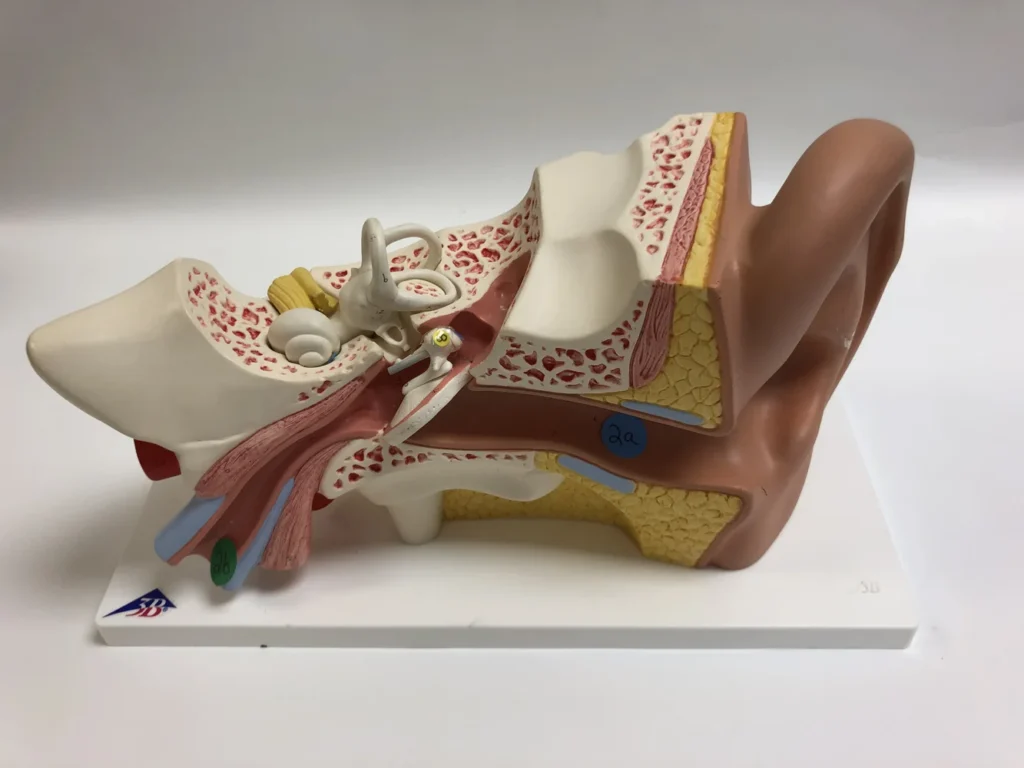
Myringoplasty or tympanoplasty aims to close an opening in the eardrum and, when necessary, repair middle ear structures. Recurrent discharge and affected hearing are among the reasons for surgical assessment.
The importance of an opening in the eardrum is not determined by its diameter alone. Its position, the condition of the middle ear, infection frequency and the pattern of hearing impairment are considered together. Eardrum repair and repair of the small ear bones are different procedures; some operations address only the eardrum, while others involve additional structures. Surgery may aim to reduce infections, make ear protection easier and, in suitable cases, improve hearing. Each goal should be discussed separately.
When should you seek assessment?
Persistent eardrum perforation
Recurrent ear discharge
Reduced hearing
Recurrent discharge, problems with water exposure and reduced hearing are common reasons for a surgical consultation. Some perforations cause no pain; few symptoms do not always mean that checks are unnecessary. Ear trauma, tubes or previous surgery matter in planning. You can note how often discharge occurs, which treatments it responds to and how hearing affects everyday life. Active infection may need to be managed first.
Examination and assessment
Microscopic or endoscopic examination and hearing tests are performed. Infection, the structure of the small ear bones and the condition of the other ear influence planning.
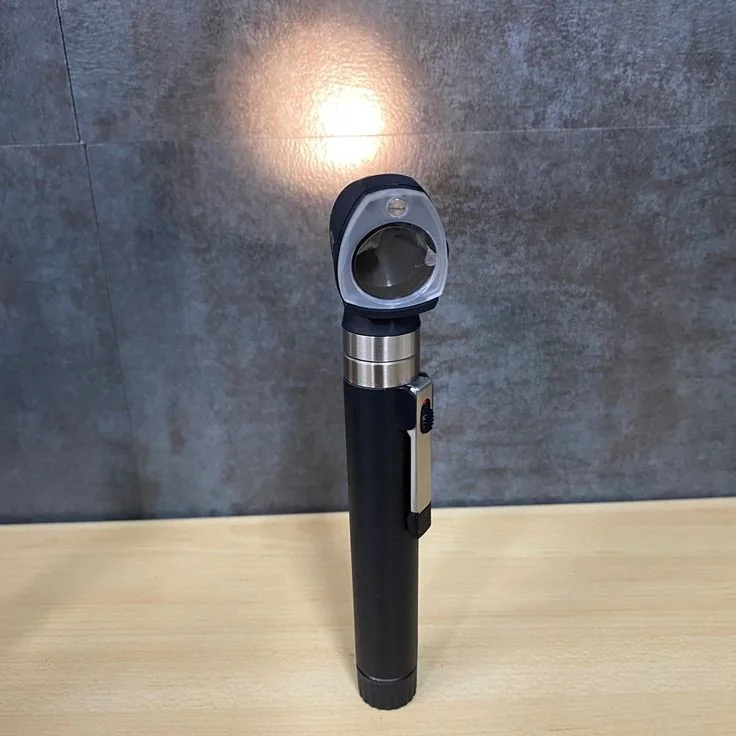
A microscope or endoscope is used to examine the eardrum and accessible middle ear structures. Hearing tests provide information about the benefit that may be expected from repair. Hearing and ventilation in the other ear are also assessed. Imaging may be requested in some patients to investigate other middle ear problems. During the surgical consultation, the approach, possible tissue donor site and assessment of any need for an additional procedure on the small ear bones should be explained clearly. Find out whether the priority is closing the eardrum, managing an infection-related problem or supporting hearing. These goals can coexist, but should not be assumed to be achievable to the same degree.
Treatment options
Repair may use a graft from the person’s own tissue. An endoscopic or microscopic approach is chosen according to the position and size of the perforation and the condition of the middle ear.
The person’s own tissue can be used to restore eardrum integrity. Tissue selection and the route used to access the ear vary with anatomical features. Neither an endoscopic nor a microscopic approach is automatically superior for every patient. The suitability of options such as monitoring without surgery or hearing support can also be discussed. Active discharge, middle ear condition and general health may influence timing. The procedure should not be described merely as closing a hole with all outcomes guaranteed.
Recovery and follow-up
Protection from water and pressure, dressings and hearing checks are planned. The possibilities of persistent perforation, infection and hearing changes are discussed.
Dressings and packing may make hearing feel different early on. This feeling alone does not indicate the final surgical result. Follow individual advice on water exposure, nose blowing, pressure changes, sport and travel. Follow-up assesses graft healing and signs of infection, and hearing tests are repeated at an appropriate time. Contact the relevant healthcare team sooner if pain worsens, fever occurs, dizziness is substantial or unexpected discharge develops.
Possible outcomes include failure of the perforation to close, reopening, infection or failure to obtain the desired hearing gain. Less common risks are explained according to the extent of the planned procedure. Before surgery, it is useful to ask what happens if the expected result is not achieved as well as about the likelihood of success. Return to school or work may depend on the nature of the activities; people exposed to dust, water or pressure changes should describe their circumstances beforehand. Do not insert objects into an operated ear to clean it. Clarify how long the prescribed drops and care plan should continue. Later follow-up assesses hearing performance and everyday communication alongside closure of the eardrum; the two outcomes may not improve to the same extent.
Frequently asked questions
Does closing the eardrum restore hearing completely to normal?
Hearing also depends on the inner ear and the small ear bones; closure alone does not guarantee complete recovery.
How can I prepare for the consultation?
Note when your symptoms began and any previous tests or procedures. Bring a list of your medicines and any earlier test results you have. You can share your expectations and questions during the consultation.
Is it usual to hear less well in the first few days after surgery?
Packing, dressings and early healing can affect the sensation of hearing. However, marked or sudden deterioration, severe dizziness and other new symptoms should be reported to the team. Final hearing assessment combines examination with tests at an appropriate time.
What questions should I ask when comparing treatment options?
Ask about the main aim of the proposed approach, which symptoms it is expected to help and which problems it may not change. Find out whether monitoring or a different treatment is an option, and what the possible consequences of waiting are in your situation. If the plan includes a procedure, the preparation, follow-up, return to daily life and service to contact if something unexpected happens should be clear. Stating your most important expectation at the start of the consultation makes it easier to compare options against the same goal. It is natural to ask for an unfamiliar medical term to be explained; the decision should be based on the benefits and limitations described to you, as well as the name of the procedure.
Scientific source and further reading
English translation of the Turkish information summary · Source language: English · Content date: September 2026. This guide does not replace personal medical advice or an examination.