Overview
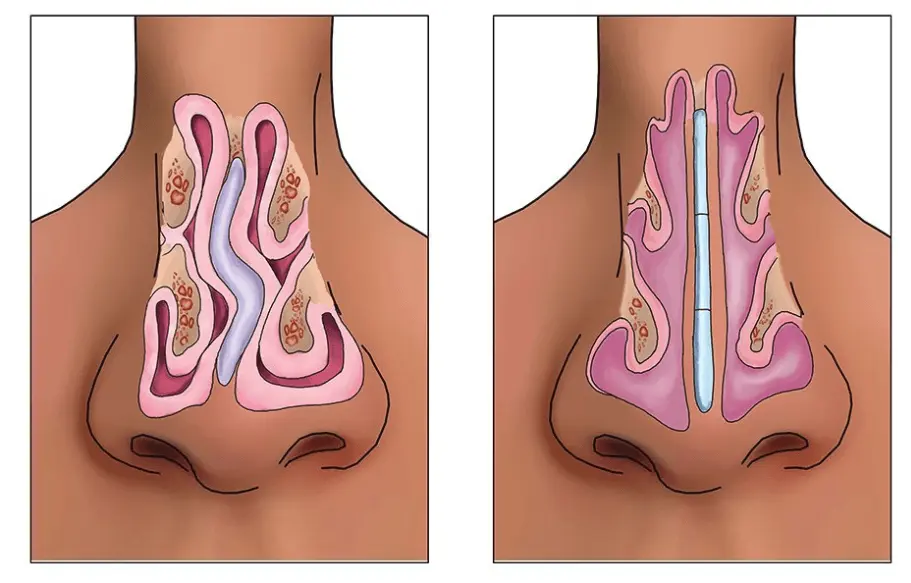
Turbinates are normal nasal structures that help condition inhaled air. They can enlarge because of allergy or other causes. Surgery does not aim to eliminate these tissues completely.
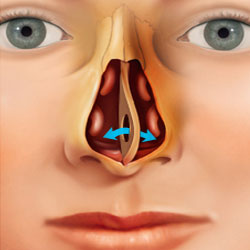
Turbinates are normal structures inside the nose that help condition inhaled air. Enlargement of these tissues, sometimes colloquially called nasal flesh, is different from adenoid enlargement. Treatment aims to assess airflow together with tissue function, rather than remove the tissue entirely. Explaining whether symptoms are the same every day or change when lying down or in particular environments helps establish an individual approach based on more than size alone.
When should you seek assessment?
Persistent nasal blockage
Increased mouth breathing at night
Symptoms persisting despite medicines
Variable blockage, mouth breathing at night and nasal discharge are among the symptoms discussed during examination. However, they can occur in different nasal conditions. Note any association with home, work, pollen season or a product you use. State how long you have used decongestant sprays; patterns of use also matter in assessment. Comparing easier and more difficult times of day provides a concrete starting point for monitoring response to treatment.
Examination and assessment
The contribution of mucosa and bone is examined. Septal deviation, allergy and nasal spray use are discussed.
The clinician assesses whether enlargement comes from mucosa or bone and whether additional problems such as septal deviation are present. Allergy investigations may be performed when appropriate. Share the names of previous treatments, how much they helped and why you stopped them. Incorrect use and lack of benefit despite adequate use are different situations. Clarify whether the recommendation addresses only the turbinates or several airway problems.
Treatment options
Appropriate medical treatment is considered first. For persistent symptoms, options such as radiofrequency or mucosa-preserving reduction are selected individually.
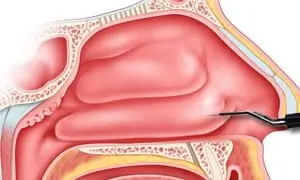
Surgery is not used for every enlargement before cause-directed medicines and care have been considered. Radiofrequency or tissue-preserving reduction may be options for suitable patients. The name of a method alone does not guarantee success or a recovery time. Discuss dryness, crusting, bleeding and recurrence of symptoms. If surgery is suggested, ask which tissue is targeted, how healthy mucosa will be preserved and whether accompanying allergic symptoms require follow-up.
Recovery and follow-up
Crusting and temporary blockage may occur. A conservative approach matters to reduce the risk of dryness and impaired function from excessive tissue loss.
Temporary swelling after the procedure may make the nose feel more blocked than expected for a while. Care and follow-up vary with the method. Do not try to remove crusts manually or apply different products inside the nose; obtain detailed care instructions from the team. Follow-up should address dryness and daily comfort as well as airflow. Report bleeding, significant pain or a departure from the expected healing course through the contact route provided.
Use your own goals in assessment after turbinate treatment: sleeping more comfortably, needing to breathe through the mouth less during the day or feeling more comfortable during exercise. Ask at the first visit when these goals will be reassessed. Tell the team about all long-term sprays, allergy medicines and treatments for other illnesses; do not make changes independently. Describe work exposure to dust, smoke or strong smells and discuss adjustments during recovery. A relative improving immediately after a procedure with the same name does not establish your timetable. At follow-up, mention new dryness as well as persistent blockage. The aim is a balanced result that considers function and everyday comfort, as well as the space inside the nose.
Frequently asked questions
Is turbinate enlargement the same as enlarged adenoids?
No. Turbinates are in the nasal cavity; the adenoids are in the nasopharynx behind the nose.
How can I prepare for the consultation?
Note when your symptoms began and any previous tests or procedures. Bring a list of your medicines and any earlier test results you have. You can share your expectations and questions during the consultation.
Can turbinate enlargement recur after surgery?
The mucosa can continue responding to allergens and environmental factors after surgery. The procedure therefore does not mean all nasal symptoms will end permanently. Discuss follow-up and treatment of accompanying conditions with your clinician. If blockage returns, request reassessment of the cause rather than restarting old medicines independently.
What questions should I ask when comparing treatment options?
Ask about the main aim of the proposed approach, which symptoms it is expected to help and which problems it may not change. Find out whether monitoring or a different treatment is an option, and what the possible consequences of waiting are in your situation. If the plan includes a procedure, the preparation, follow-up, return to daily life and service to contact if something unexpected happens should be clear. Stating your most important expectation at the start of the consultation makes it easier to compare options against the same goal. It is natural to ask for an unfamiliar medical term to be explained; the decision should be based on the benefits and limitations described to you, as well as the name of the procedure.
Scientific source and further reading
English translation of the Turkish information summary · Source language: English · Content date: September 2026. This guide does not replace personal medical advice or an examination.