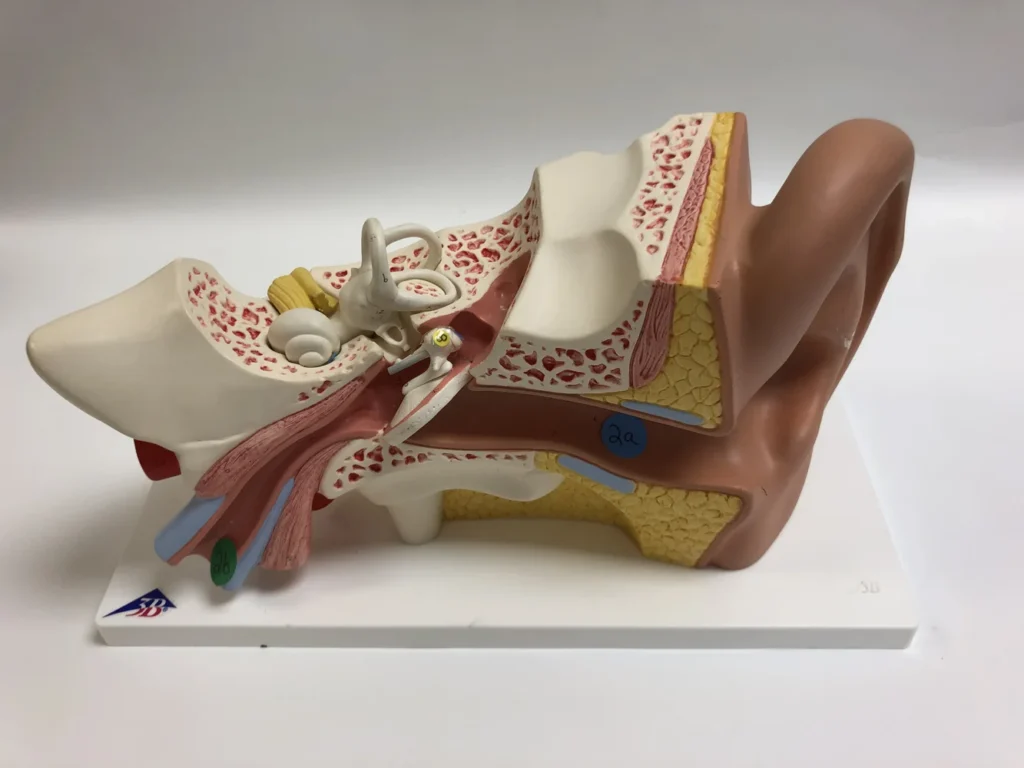
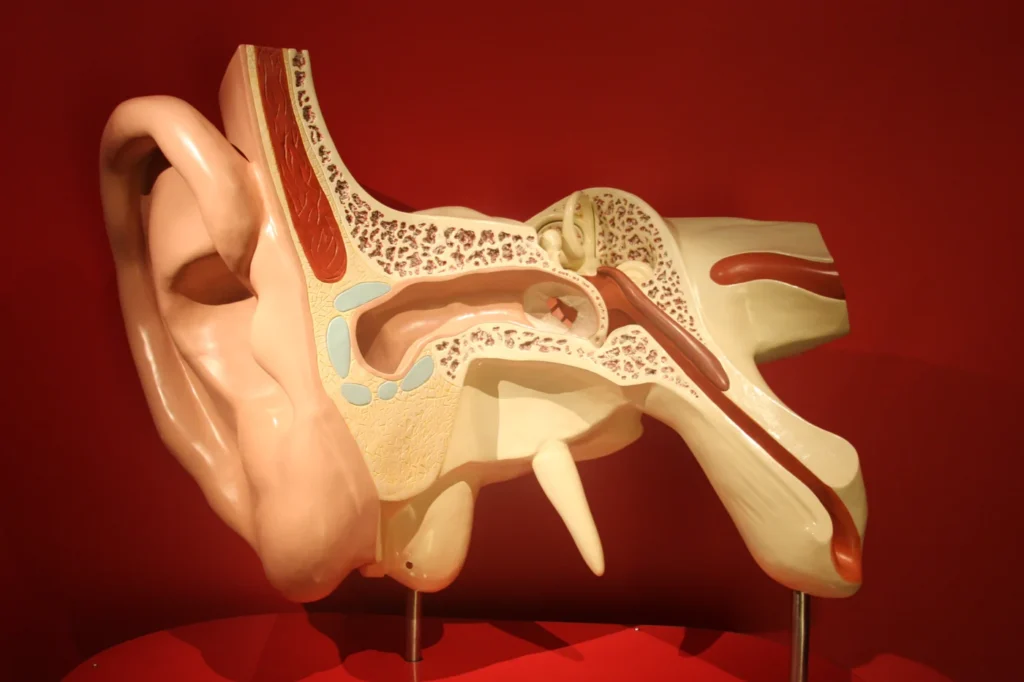
Overview
The everyday term middle ear calcification is used for different conditions. Otosclerosis and tympanosclerosis affecting the eardrum or the area around the small ear bones are not the same. The appropriate operation is chosen after the source of hearing loss is identified.
In the middle ear, sound passes from the eardrum through tiny bones to the inner ear. Restricted movement of these structures can cause hearing loss. However, the everyday term calcification does not always describe one disease. Otosclerosis, tympanosclerosis and other problems of the small ear bones may require different surgical approaches. Before an operation can be named, the level at which sound transmission is impaired and the extent of inner ear function must be understood.
When should you seek assessment?
Progressive hearing loss
Findings of conductive hearing loss
Tinnitus in some people
Declining hearing over time, needing speech to be louder and tinnitus are among reasons for assessment. Earlier ear infections, eardrum problems or surgery are also important parts of the history. The ears may be affected to different degrees. As well as asking whether surgery could help, share which everyday communication need you want addressed. A sudden hearing change should not be explained away by a longstanding diagnosis of calcification and left waiting.
Examination and assessment
Audiometry, tympanometry and reflex measurements are used. In patients who need it, temporal bone imaging supports anatomical assessment and surgical planning.
Pure-tone and speech tests help distinguish conductive and inner ear components of hearing loss. Middle ear pressure and reflex measurements may also contribute. Imaging is used in selected patients to investigate anatomical structures and different causes. The expected benefits of hearing aids and surgery can be compared using the results. The surgical consultation should explain which structure the procedure targets and why the anticipated gain varies between people. If you have experience with hearing aids, explain when they help and which difficulties remain. Compare surgery and hearing aids in terms of your communication needs, as well as the names of the methods.
Treatment options
If the stapes is affected, stapedotomy and a small prosthesis may be considered. Other problems of the small ear bones require different repairs. A hearing aid may provide an alternative to surgery.
When stapes movement is affected, a procedure such as stapedotomy with a small prosthesis may be considered. Other ossicular problems can require different repair methods. These procedures are not interchangeable standard solutions. A hearing aid may be a suitable, less invasive option for some people. Hearing level, the other ear’s condition, occupational needs and surgical risks are considered together. The same operation should not be assumed helpful for every hearing loss.
Recovery and follow-up
Early advice addresses pressure changes and physical exertion. Risks of dizziness, altered taste, prosthesis problems and, rarely, severe hearing loss are discussed.
Hearing sensation and balance can change early on; follow the plan set by the treating team. Advice about pressure changes, strenuous exercise, travel and water exposure varies with the procedure. Hearing tests are repeated at an appropriate stage of healing. Seek earlier assessment for severe or increasing dizziness, sudden hearing deterioration, significant pain or other unexpected symptoms. The first few days’ experience is not the only measure of the final hearing result.
Possible risks include altered taste, dizziness, infection, failure to obtain the expected hearing gain and worsening hearing. Procedures using a prosthesis also involve discussion of prosthesis-related problems or the need for another intervention. As risk depends on individual anatomy and procedural scope, one percentage may not provide accurate information for everyone. A concrete explanation of expected benefits before surgery allows a more meaningful comparison with hearing aids. Hearing follow-up remains important after a successful procedure. Changes in inner ear function can continue independently of surgery. Revisiting communication needs at work, school and home during follow-up helps ensure additional hearing support is considered promptly when necessary.
Frequently asked questions
Does this operation correct every type of hearing loss?
No. Its benefit is limited for hearing loss originating in the inner ear; suitability is determined through hearing tests.
How can I prepare for the consultation?
Note when your symptoms began and any previous tests or procedures. Bring a list of your medicines and any earlier test results you have. You can share your expectations and questions during the consultation.
Does the word calcification mean a prosthesis will definitely be inserted?
No. The term may be used for different middle ear problems. The need for a prosthesis depends on the surgical plan developed from examination and hearing tests. Ask clearly about the medical name of the condition, the aim of the proposed procedure and non-surgical options.
What questions should I ask when comparing treatment options?
Ask about the main aim of the proposed approach, which symptoms it is expected to help and which problems it may not change. Find out whether monitoring or a different treatment is an option, and what the possible consequences of waiting are in your situation. If the plan includes a procedure, the preparation, follow-up, return to daily life and service to contact if something unexpected happens should be clear. Stating your most important expectation at the start of the consultation makes it easier to compare options against the same goal. It is natural to ask for an unfamiliar medical term to be explained; the decision should be based on the benefits and limitations described to you, as well as the name of the procedure.
Scientific source and further reading
English translation of the Turkish information summary · Source language: English · Content date: September 2026. This guide does not replace personal medical advice or an examination.