Overview
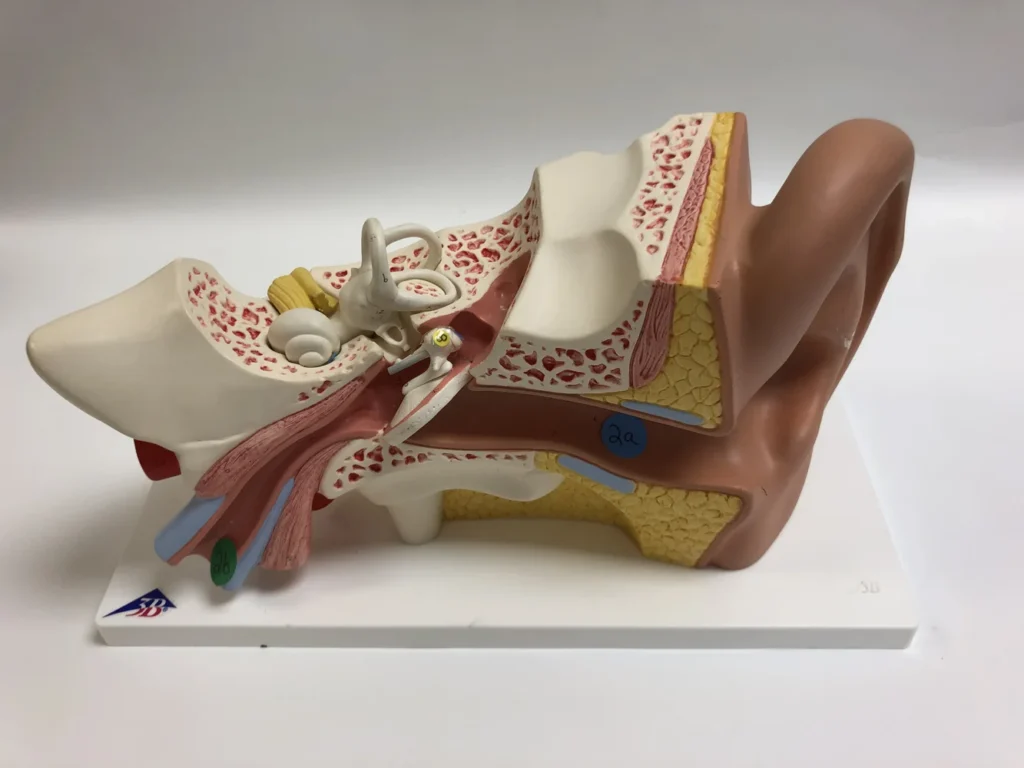
Cerumen is a natural secretion that protects the ear canal. Its presence does not mean that the ear is diseased. Removal may be necessary when it accumulates and blocks the canal or prevents the eardrum from being seen.
Secretions and shed skin cells in the ear canal normally move outwards on their own. This natural process varies between people; factors such as the shape of the canal and hearing-aid use can influence accumulation. Visible wax alone does not require cleaning. The decision to remove it depends on issues such as blockage, discomfort, affected hearing or obstruction of examination. A completely wax-free ear is not a necessary goal for a healthy ear.
When should you seek assessment?
Fullness in the ear
Reduced hearing
Itching or tinnitus
Blockage from earwax is often described as fullness and muffled hearing. However, other conditions can cause the same symptoms. In particular, it is unsafe to explain a sudden hearing change on the basis of previous wax build-up. Discharge, significant pain, bleeding or dizziness should be reported separately. If a hearing aid performs less well, the ear canal and the device should both be assessed rather than assuming that the device has broken.
Examination and assessment
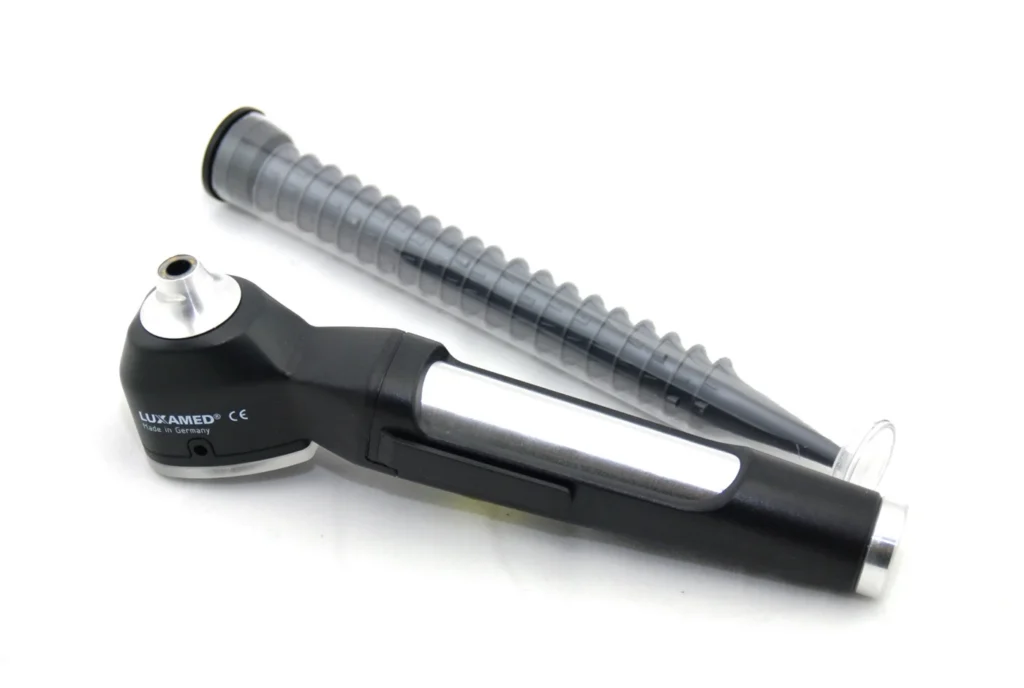
The ear canal and eardrum are examined. A history of eardrum perforation, ear tubes, surgery or diabetes affects the removal method.
The examination considers the amount and consistency of the build-up and the condition of the eardrum. Previous surgery, ear tubes, a known eardrum perforation and any blood-thinning medicines should be disclosed before the procedure. These details may influence the appropriate removal method. The clinician explains whether the procedure can be completed that day or whether softening is needed first. The aim is to allow the necessary examination while protecting the canal skin and eardrum, as well as to remove wax. If you use a hearing aid, bring its maintenance items and the components that contact your ear canal to the consultation. Ask for an assessment of whether your symptoms arise solely from the build-up or from an issue related to the device.
Treatment options
Options include softening, suction or removal with suitable instruments. Cotton buds and similar objects can push wax further in; ear candles are not a safe method.
Removal may involve suction, appropriate instruments or other methods in selected circumstances. The sound and sensation vary with the method; report significant pain or dizziness immediately. Sharp implements and cotton buds used at home can push the build-up deeper. Applying fluid without knowing the condition of the eardrum is also not appropriate for everyone. Ear candles should not be assumed to clear a blockage safely. The method recommended for you does not have to be the same as one used for someone else.
Recovery and follow-up
An individual follow-up interval is set for recurrent build-up. Canal care may be particularly important for hearing-aid users.
After removal, it should be assessed whether the symptoms have actually improved. Persistent hearing loss is not assumed to be due only to wax; further investigation may be needed. The follow-up interval depends on the individual’s canal, frequency of accumulation and device use. There is no compulsory monthly or annual cleaning schedule for everyone. People with recurrent blockage can clarify during the consultation when to request a check and which habits to avoid at home.
The expected benefit of earwax removal depends on understanding which symptom is related to the wax. Fullness may improve after removal while tinnitus continues; further cleaning may not solve that problem. After examination, ask whether the symptoms require another investigation as well as whether all the wax has been removed. If you experienced discomfort during or after removal, share this at the next appointment. A person with sensitive canal skin may need a change in method or follow-up interval. Avoiding habits that disrupt the ear canal’s natural protective structure can be more important than repeated procedures. If home-care advice is given, make sure you understand the product name, how to use it and which symptoms mean you should stop and seek advice.
Frequently asked questions
Do I need to clean inside my ears every day?
No. Cleaning the outside is usually enough; inserting objects into the ear canal can disrupt natural cleaning.
How can I prepare for the consultation?
Note when your symptoms began and any previous tests or procedures. Bring a list of your medicines and any earlier test results you have. You can share your expectations and questions during the consultation.
Should I put cotton wool in my ear after removal?
Routinely placing cotton wool or another object inside the canal may be unnecessary and may cause further irritation. If special care is needed after the procedure, its duration and method will be explained. If pain, bleeding or persistent discharge develops, request a check rather than adding home treatments yourself.
What questions should I ask when comparing treatment options?
Ask about the main aim of the proposed approach, which symptoms it is expected to help and which problems it may not change. Find out whether monitoring or a different treatment is an option, and what the possible consequences of waiting are in your situation. If the plan includes a procedure, the preparation, follow-up, return to daily life and service to contact if something unexpected happens should be clear. Stating your most important expectation at the start of the consultation makes it easier to compare options against the same goal. It is natural to ask for an unfamiliar medical term to be explained; the decision should be based on the benefits and limitations described to you, as well as the name of the procedure.
Scientific source and further reading
English translation of the Turkish information summary · Source language: English · Content date: September 2026. This guide does not replace personal medical advice or an examination.