Overview
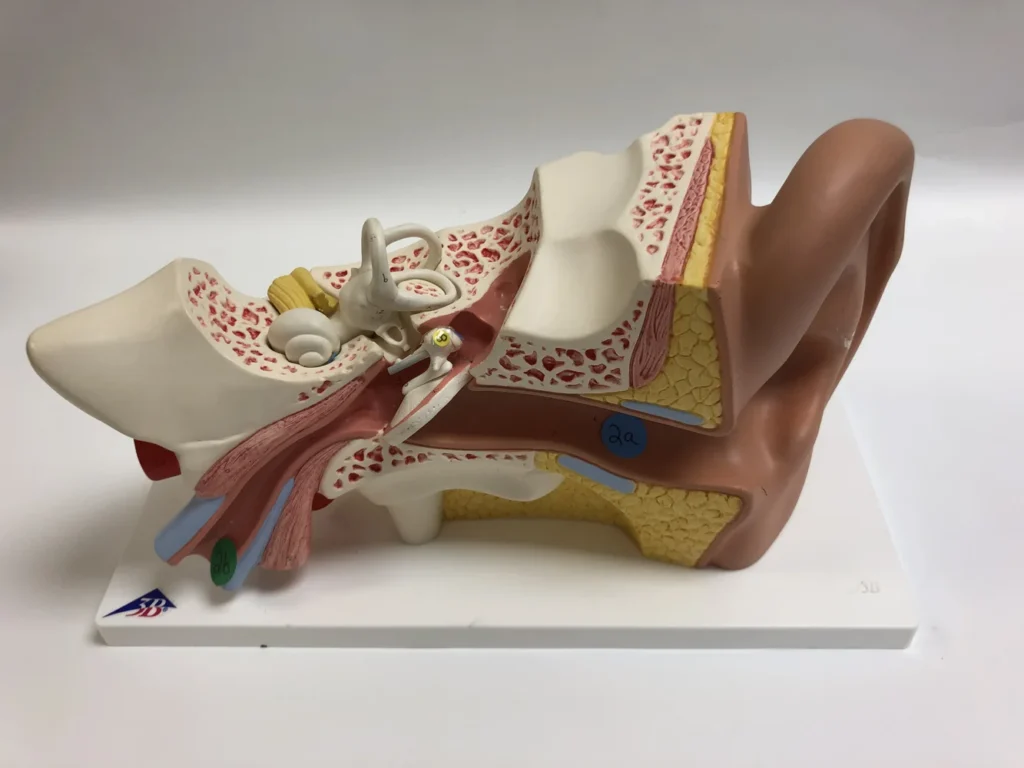
Ménière’s disease is an episodic condition affecting the inner ear. A spinning sensation may occur with fluctuating hearing, tinnitus and fullness. Not every episode of vertigo is Ménière’s disease.
Because symptoms fluctuate in episodes in Ménière’s disease, a single examination day may not reflect the entire course. A person may experience intense spinning during an episode but feel better between episodes. The course of hearing, tinnitus and fullness over time matters in diagnostic assessment. Migraine-related dizziness and other balance problems can present similarly. The diagnosis should not be made solely on the statement that someone feels dizzy.
When should you seek assessment?
Episodes of a spinning sensation
Fluctuating hearing
Tinnitus and pressure in the ear
An episode diary can record the starting time, approximate duration, accompanying hearing changes and difficulties in everyday life. Distinguishing persistent light-headedness from a feeling that the surroundings are spinning helps the consultation. Fear of falling, difficulties at work and anxiety about being alone during an episode are also part of treatment planning. New and unusual neurological symptoms should not automatically be attributed to the same condition, even after a previous diagnosis of Ménière’s disease.
Examination and assessment
The duration, frequency and accompanying symptoms of episodes are recorded. Hearing tests and, when necessary, balance investigations are performed; other conditions causing similar symptoms are excluded.
Comparing hearing tests performed at different times can help demonstrate fluctuation. As well as the characteristics of episodes, the clinician asks about migraine, medicines and other illnesses. Balance investigations or imaging may be requested to answer specific questions; everyone does not need the same set of tests. If a diagnosis is not confirmed at the first visit, this may mean that findings need to be observed over time. Follow-up can therefore support the diagnostic assessment as well as the evaluation of treatment results.
Treatment options
Lifestyle changes and medicine options are individualised. In uncontrolled cases, treatments administered into the ear or selected procedures may be discussed. Treatment aims to reduce episodes and their impact on everyday life.
Treatment goals are set separately according to the frequency and severity of episodes and the person’s hearing. Measures to relieve an episode differ from the long-term prevention plan. Dietary and lifestyle advice should also be considered alongside other health conditions. For people with substantial symptoms despite medicines, treatments into the ear or selected procedures may be discussed. Presenting these simply as stronger treatment without explaining their possible effects on balance and hearing is inappropriate.
Recovery and follow-up
Keeping an episode diary makes follow-up easier. Changes in hearing are monitored; vestibular rehabilitation may be considered if imbalance persists.
Follow-up assesses hearing loss, tinnitus and safety when moving as well as vertigo. Appropriate rehabilitation may be considered for imbalance that persists between episodes. Individual safety precautions should be discussed for driving, working at height or tasks involving a risk of falling. A good period does not necessarily mean that monitoring is no longer needed. If the area of greatest difficulty changes during follow-up, treatment goals may need to be revised.
The unpredictability of episodes may cause a person to restrict movement or withdraw from social plans. Follow-up consultations should therefore discuss effects on safety and quality of life as well as the number of episodes. Reducing trip hazards at home, asking for support with difficult tasks and thinking ahead about what to do when symptoms begin are useful preparations. Driving or continuing a hazardous task during an episode may be unsafe; individual advice should be obtained. Report drowsiness, imbalance or any other side effect thought to be related to treatment to the team. When discussing new options, clearly state priorities such as preserving hearing and moving safely in everyday life alongside the expected benefit.
Frequently asked questions
Can a complete recovery be guaranteed?
No. The course of the condition varies; treatment and follow-up focus on managing symptoms.
How can I prepare for the consultation?
Note when your symptoms began and any previous tests or procedures. Bring a list of your medicines and any earlier test results you have. You can share your expectations and questions during the consultation.
Can I stop hearing follow-up if episodes have become less frequent?
Vertigo and hearing changes do not always progress together. Hearing checks are therefore a separate need. Comparing results with earlier tests also helps establish whether additional support is needed for everyday communication. The follow-up interval depends on the individual course and examination findings.
What questions should I ask when comparing treatment options?
Ask about the main aim of the proposed approach, which symptoms it is expected to help and which problems it may not change. Find out whether monitoring or a different treatment is an option, and what the possible consequences of waiting are in your situation. If the plan includes a procedure, the preparation, follow-up, return to daily life and service to contact if something unexpected happens should be clear. Stating your most important expectation at the start of the consultation makes it easier to compare options against the same goal. It is natural to ask for an unfamiliar medical term to be explained; the decision should be based on the benefits and limitations described to you, as well as the name of the procedure.
Scientific source and further reading
English translation of the Turkish information summary · Source language: English · Content date: September 2026. This guide does not replace personal medical advice or an examination.