
Overview
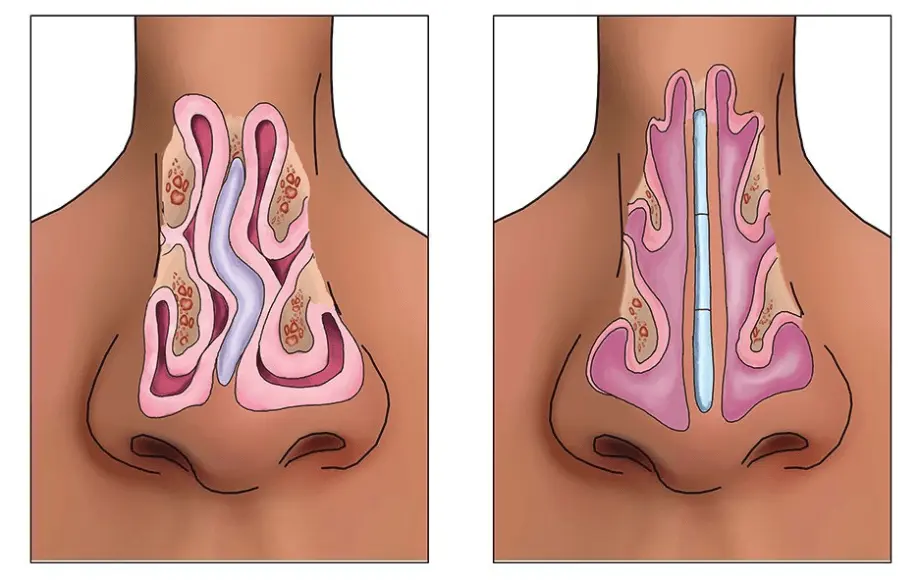
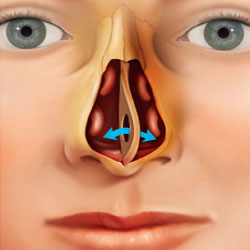
Nasal fractures can occur after a blow. Swelling may conceal the actual deformity, while blood collecting in the septum requires early intervention. Not every nasal fracture is treated surgically.
Emergency assessment is needed for rapidly increasing blockage, persistent bleeding or clear fluid leakage after trauma.
Nasal trauma can affect the internal airway and surrounding facial structures as well as appearance. Not every blow causes a fracture, and not every fracture requires the same intervention. Assessment considers timing, shape changes, breathing and associated injuries together. Since swelling can alter the initial appearance, a photograph is not enough for a decision. It is important not to postpone assessment by treating new trauma as solely a cosmetic issue.
When should you seek assessment?
Crookedness after a blow
Swelling and bleeding
New breathing obstruction
Pain, swelling, bleeding, shape changes or blockage may follow a blow. Marked bilateral blockage, severe pain, or eye or neurological symptoms in particular require prompt assessment. Explain how the injury happened, how bleeding progressed and whether consciousness was lost. A photograph showing the previous appearance may help, but does not replace examination. Also report pain elsewhere in the face or changes in how the teeth meet.
Examination and assessment
The timing and severity of trauma are discussed. Internal examination is particularly important to exclude a septal haematoma. Associated facial injuries may require imaging.
Alongside external shape, examination investigates conditions that can require early intervention, such as blood collecting in the septum. Imaging depends on injury characteristics; assessment of a simple nasal injury differs from multiple facial trauma. Bring the date of the event and any emergency department records. Ask how current swelling affects the decision, whether reassessment is needed and why timing matters if intervention is planned.
Treatment options
Suitable fractures may undergo closed reduction. Structural and cosmetic problems remaining later may require a different surgical plan.
Repositioning the bones may be considered for suitable fractures; some cases need a different surgical plan or later assessment. Treatment is discussed in terms of how far the pre-injury appearance and airway can be restored. Complete symmetry or freedom from any further operation cannot be guaranteed. Bleeding, persistent deformity and breathing problems are considered. Do not try to push a fracture back into place at home; the intervention decision follows examination.
Recovery and follow-up
The nose is protected from further blows and healing checks are performed. Persistent asymmetry or blockage is discussed with the patient.
Protection from further injury, care of any external support and follow-up matter after treatment. Follow your individual timetable for sport, glasses and returning to work. Appearance can change as swelling subsides; do not regard early photographs as the final result. Address lasting concerns about breathing and appearance separately at later checks. Contact the team for new or increasing bleeding, marked blockage or unexpected deterioration.
Safe management of the injury is a priority in trauma assessment alongside cosmetic expectations. If there are eye changes, confusion, severe headache or rapidly increasing symptoms, seek emergency assessment without waiting for an online form response. Be sure to mention previous rhinoplasty or septal surgery. Plan your return after discussing whether work or sport carries a risk of another blow. If follow-up was advised at the first examination, waiting for swelling to settle does not mean cancelling the check. Someone close to you can help recall details of the event. Assessment of the result uses earlier photographs, examination and your breathing experience together. Asking for written information about treatment scope and possible later options helps keep expectations clear throughout.
Frequently asked questions
Is it right to wait a long time for the swelling to settle?
Initial assessment should not be delayed. The clinician determines the appropriate window for correction according to age and the injury.
How can I prepare for the consultation?
Note when your symptoms began and any previous tests or procedures. Bring a list of your medicines and any earlier test results you have. You can share your expectations and questions during the consultation.
Should I wait without any examination until the swelling settles?
No. Although swelling may make a later check necessary, initial assessment is important to distinguish conditions needing early intervention. Follow the timing and warnings given after examination. In particular, marked blockage, increasing pain, eye symptoms or declining general condition should not wait for a routine appointment.
What questions should I ask when comparing treatment options?
Ask about the main aim of the proposed approach, which symptoms it is expected to help and which problems it may not change. Find out whether monitoring or a different treatment is an option, and what the possible consequences of waiting are in your situation. If the plan includes a procedure, the preparation, follow-up, return to daily life and service to contact if something unexpected happens should be clear. Stating your most important expectation at the start of the consultation makes it easier to compare options against the same goal. It is natural to ask for an unfamiliar medical term to be explained; the decision should be based on the benefits and limitations described to you, as well as the name of the procedure.
Scientific source and further reading
English translation of the Turkish information summary · Source language: English · Content date: September 2026. This guide does not replace personal medical advice or an examination.