Overview
Barbie nose is a popular term for a small, upturned appearance, not a standard medical technique. The same angle and small size may not be natural or functional on every face.
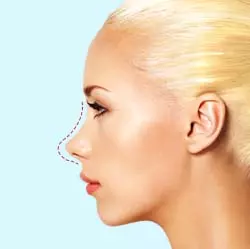
Barbie nose rhinoplasty is not the medical name of one standard operation. It commonly describes wishes such as a more pronounced curve and an upturned tip. The label does not establish a suitable appearance or safe surgical goal for everyone. Explain precisely which feature you like instead of focusing on the label. Facial proportions, tissue support and breathing function should be assessed together.
When should you seek assessment?
A wish for a more upturned tip
A wish for a curved nasal bridge
Appearance references from social media
You may want a more curved profile, smaller appearance or altered tip angle. Discuss expectations from the front, side and while smiling separately. Consider that a social media filter can change both the nose and other facial proportions. Report breathing problems, previous surgery or fillers. Considering which details reflect a real photograph and which may arise from lighting or digital editing helps clarify expectations.
Examination and assessment
Facial proportions, the lip-nose relationship, skin and cartilage support are examined. The effects of filters and camera angles on perception are discussed.
Examination assesses whether the requested change fits the skin and supporting structures. The clinician should explain functional and aesthetic limits to excessive reduction or pronounced elevation. A digital study is not a promise of the surgical result. Ask which requests are unsuitable and why, as well as which appearance is possible. Personal preference matters, but understanding safety limits helps prevent a decision based solely on a popular example.
Treatment options
A safe goal must preserve the airway and long-term support alongside the requested appearance. Excessive reduction or tip elevation is not appropriate for every patient.
When appropriate, this appearance preference is considered within individualised rhinoplasty planning; a different name does not make it a separate or risk-free procedure. Discuss breathing difficulty, loss of support, asymmetry, scarring and possible further intervention. A more limited goal may be suggested to preserve individual anatomy. Do not rush the decision; a trend’s temporary appeal does not represent every consequence of a lasting surgical change.
Recovery and follow-up
Appearance changes with swelling and healing. Asymmetry, nostril visibility, loss of support and breathing problems are considered.
Early tip angle or profile perception can change as swelling and tissues settle. Do not infer a lasting result from the first day. Follow the surgical team’s advice on nasal care, external supports and resuming activity. Assess breathing comfort along with appearance at follow-up. Seek early advice for significant pain, bleeding or unexpected deterioration. Photograph comparisons are more meaningful with similar angles and lighting at the appropriate follow-up time.
To ensure the decision is your own, try describing expectations without popular labels. Do you want a reduced hump, slightly raised tip or overall reduction? These differ and may have different limitations. State features you want preserved too. Share anxiety caused by continual comparison with other faces. If a change is considered unsafe, learn why and take time to consider alternatives. Surgery should not be assumed to guarantee confidence, relationships or social acceptance. Consent, care, follow-up and possible further interventions should be discussed as thoroughly as appearance. No procedure or a more measured change are valid decisions too.
Frequently asked questions
Can this appearance be achieved for everyone?
No. A shape unsuitable for anatomy or breathing should not be accepted as a surgical plan.
How can I prepare for the consultation?
Note when your symptoms began and any previous tests or procedures. Bring a list of your medicines and any earlier test results you have. You can share your expectations and questions during the consultation.
Does this appearance suit every face?
No. A tip angle or curve admired in one photograph may not provide the same balance on another face. Skin and support also limit change. Examination discusses possible goals and why certain changes are unsuitable. A plan preserving safe function and matching individual proportions should take priority.
What questions should I ask when comparing treatment options?
Ask about the main aim of the proposed approach, which symptoms it is expected to help and which problems it may not change. Find out whether monitoring or a different treatment is an option, and what the possible consequences of waiting are in your situation. If the plan includes a procedure, the preparation, follow-up, return to daily life and service to contact if something unexpected happens should be clear. Stating your most important expectation at the start of the consultation makes it easier to compare options against the same goal. It is natural to ask for an unfamiliar medical term to be explained; the decision should be based on the benefits and limitations described to you, as well as the name of the procedure.
Scientific source and further reading
English translation of the Turkish information summary · Source language: English · Content date: September 2026. This guide does not replace personal medical advice or an examination.


