Overview
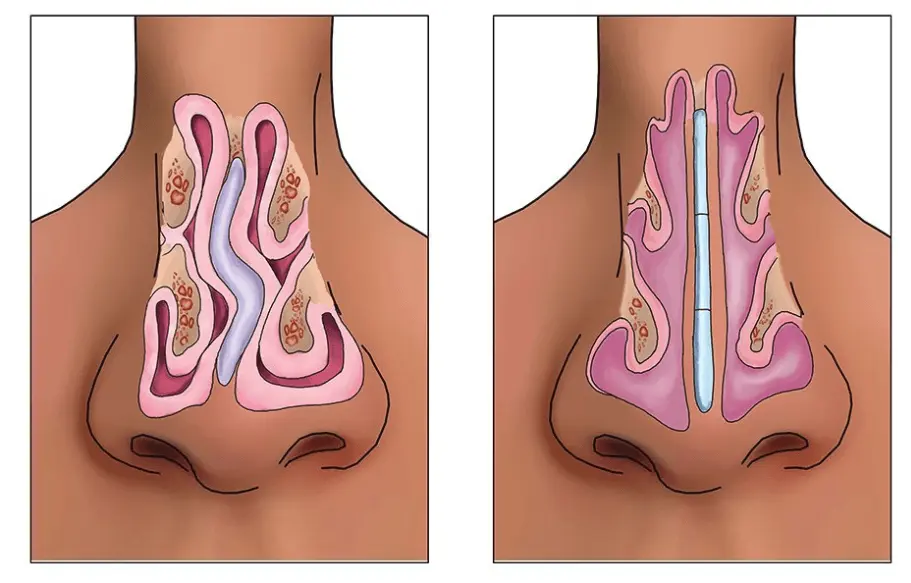
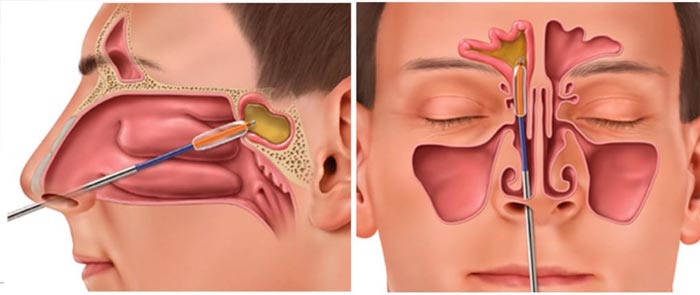
Balloon sinuplasty widens certain sinus openings using a small balloon. It is not suitable for every type of sinusitis or every sinus. Extensive polyps or widespread tissue disease may require different surgery.
Balloon sinuplasty uses a balloon to widen selected sinus outflow pathways. It is not a universal solution for sinusitis and does not replace every endoscopic sinus operation. What matters is a goal that matches symptoms and anatomical findings, as well as the method’s name. At the first consultation, learn which pathway is targeted, how its narrowing relates to your symptoms and whether another intervention is needed.
When should you seek assessment?
Selected recurrent sinus symptoms
Symptoms persisting despite appropriate treatment
Narrowing confirmed by imaging
Recurrent or persistent sinus symptoms may prompt this assessment, but headache or nasal blockage alone is insufficient justification for a balloon procedure. Describe episode duration, whether symptoms fully resolve between episodes and the effects of earlier treatment. Mention polyps or previous surgery. Identifying the symptom with the greatest daily impact allows expected benefit to be discussed against a personal goal rather than general promotional claims.
Examination and assessment
Endoscopy and sinus CT are assessed together. Headache alone does not justify balloon treatment.
Diagnosis and suitability are based on symptoms, endoscopic assessment and sinus imaging. Bring previous investigations, a treatment list and details of applications you find difficult. Ask which findings suit balloon treatment and which may require another approach. A procedure that appears less extensive is not necessarily more suitable for everyone. It matters to understand the recommendation in terms of your anatomy and disease extent before deciding.
Treatment options
The balloon is inflated in a controlled manner in a selected sinus pathway. It can be used alone or alongside endoscopic surgery; any advantage varies between patients.
In suitable patients, the balloon method may be used alone or with other endoscopic instruments. The setting and anaesthesia are determined by the individual plan. Bleeding, infection, persistent symptoms and risks related to neighbouring sinus structures are considered; it should not be viewed as risk-free or certain to succeed. Ask clearly about non-surgical options, possible combined intervention and how assessment would proceed if relief is insufficient.
Recovery and follow-up
Bleeding, infection, persistent symptoms or a need for another procedure may occur. Follow-up and nasal care are individualised.
Care and follow-up needs may vary depending on whether treatment is performed alone or with other procedures. Someone else’s rapid return to daily life does not establish a fixed time for you. Learn how to apply care and which symptoms fall within expected limits. Results are assessed through symptoms over time as well as the first day’s breathing sensation. Obtain prompt medical assessment for significant bleeding, visual changes or serious deterioration.
When preparing to discuss methods, focus on describing your own problem more than advertising claims. Your goal may be fewer episodes, less blockage or addressing a particular sinus problem; ask which is realistic. Plan the days you will be available for postoperative checks. Work, travel requirements and your ability to carry out care are details the team needs. Do not stop medicines independently. Do not decide solely on a short procedure time or a small device: appropriate patient selection, procedure extent and follow-up matter together. At later checks, describe how far the original goals have been met and request reassessment of ongoing symptoms. Avoiding unnecessary procedures is also part of an informed treatment decision.
Frequently asked questions
Does the balloon method replace surgery for every patient?
No. Disease extent and sinus anatomy must be suitable.
How can I prepare for the consultation?
Note when your symptoms began and any previous tests or procedures. Bring a list of your medicines and any earlier test results you have. You can share your expectations and questions during the consultation.
Is the balloon method always better than endoscopic surgery?
That generalisation is incorrect. Suitability depends on disease location, extent and examination findings. In some circumstances, dilation alone may not achieve the required goal or may be considered alongside other procedures. Ask why this method is recommended for you and compare the alternative’s advantages and limitations.
What questions should I ask when comparing treatment options?
Ask about the main aim of the proposed approach, which symptoms it is expected to help and which problems it may not change. Find out whether monitoring or a different treatment is an option, and what the possible consequences of waiting are in your situation. If the plan includes a procedure, the preparation, follow-up, return to daily life and service to contact if something unexpected happens should be clear. Stating your most important expectation at the start of the consultation makes it easier to compare options against the same goal. It is natural to ask for an unfamiliar medical term to be explained; the decision should be based on the benefits and limitations described to you, as well as the name of the procedure.
Scientific source and further reading
English translation of the Turkish information summary · Source language: English · Content date: September 2026. This guide does not replace personal medical advice or an examination.