Overview
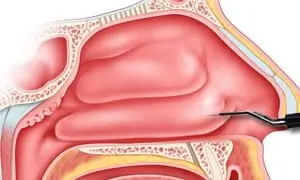
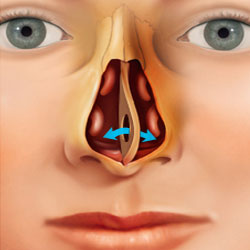
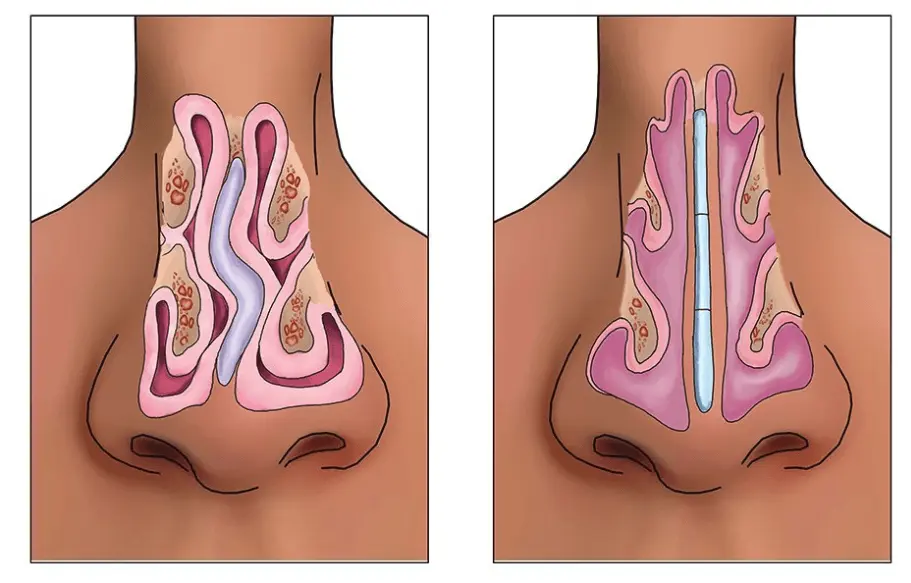
The septum is the cartilage and bone partition separating the nasal cavities. A deviation does not cause symptoms in everyone. Septoplasty is an operation to correct a structural deviation associated with symptoms.
The septum is the cartilage and bone partition separating the two nasal airways. A deviation alone does not mean surgery is needed; what matters is whether breathing symptoms correspond to examination findings. The consultation aims to understand the circumstances in which it troubles you, as well as describe the deviation seen. Everyday examples such as sleeping with your mouth open, being unable to breathe through your nose during exercise or constant blockage on the same side make the change you expect from treatment clearer.
When should you seek assessment?
Blockage on one or both sides
Mouth breathing
Breathing difficulty during exercise and sleep
Explain whether blockage is constant or intermittent and whether it changes sides. Sneezing, itching and seasonal symptoms are also considered; the septum may not explain every blockage. Note the date of any earlier trauma, nasal sprays used and the benefit they provided. Describing how symptoms affect sleep, work or sport, rather than using a single word for severity, helps relate examination findings to the problem in your life.
Examination and assessment
The inside of the nose is examined, with endoscopy when needed. Allergy, turbinate enlargement and nasal valve problems are investigated separately.
The internal examination assesses the turbinates and supporting structures at the nasal entrance as well as the septum. The clinician may add endoscopic assessment when necessary; everyone does not need the same investigations. Reports of earlier operations help planning. By the end of the consultation, find out which structures contribute to the blockage, which the proposed intervention targets and whether an accompanying condition requires separate treatment. This clarifies the reason for the operation in your case as well as its name.
Treatment options
Medicines can reduce associated swelling but do not correct a cartilage or bone deviation. During surgery, affected areas are reshaped while supporting tissues are preserved.
Septoplasty aims to correct the parts of the septum that narrow the airway. It is different from rhinoplasty targeting the external appearance; planning them together requires a separate discussion. Medicine may also be needed for associated mucosal swelling or allergy. Possibilities such as bleeding, infection, persistent blockage and a septal perforation are assessed in your individual circumstances. During consent, ask clearly which procedures will and will not be performed and how useful a non-surgical approach may be for you.
Recovery and follow-up
Swelling and crusting can occur in the first few days. Rinsing and follow-up are planned; risks such as bleeding, perforation and persistent blockage are explained.
Swelling, crusting or supports used during the early period may mean nasal breathing does not improve immediately. Nasal care, checks of supports and return to everyday activities follow the surgical team’s plan. Do not interpret the first day’s sensation as the lasting result; contact the team instead of waiting for follow-up if something differs from expectations. In particular, use the contact route provided for significant persistent bleeding, increasing pain or a decline in general well-being.
Bring a list of regular medicines and supplements to the preparation consultation; do not stop any or start new ones yourself. Mention beforehand if work involves heavy lifting, dust, extensive speaking or long journeys. Recovery planning involves nasal care, sleep comfort, follow-up and exercise habits as well as the return-to-work date. Find out when it would be helpful for someone close to you to accompany you. Another patient’s account online of packing, bruising or healing does not precisely predict your course. At follow-up, describe separately which original symptoms have changed and which persist. Ongoing blockage is reassessed; follow medical advice rather than adding sprays yourself or forcefully cleaning the nose.
Frequently asked questions
Does septoplasty change the external shape of the nose?
The main aim is to correct the internal structure. If external changes are needed, a separate combined plan with rhinoplasty is made.
How can I prepare for the consultation?
Note when your symptoms began and any previous tests or procedures. Bring a list of your medicines and any earlier test results you have. You can share your expectations and questions during the consultation.
Will septoplasty also change the outside of my nose?
The main target is the internal airway; wishes about the external shape should be stated separately. Appearance and breathing goals can be considered together, but are not automatically part of the same plan. Asking which external changes are anticipated and which are not planned helps establish more realistic expectations after surgery.
What questions should I ask when comparing treatment options?
Ask about the main aim of the proposed approach, which symptoms it is expected to help and which problems it may not change. Find out whether monitoring or a different treatment is an option, and what the possible consequences of waiting are in your situation. If the plan includes a procedure, the preparation, follow-up, return to daily life and service to contact if something unexpected happens should be clear. Stating your most important expectation at the start of the consultation makes it easier to compare options against the same goal. It is natural to ask for an unfamiliar medical term to be explained; the decision should be based on the benefits and limitations described to you, as well as the name of the procedure.
Scientific source and further reading
English translation of the Turkish information summary · Source language: English · Content date: September 2026. This guide does not replace personal medical advice or an examination.